
Chestnut Honey Varieties and Prices
16 productsDark-colored, mildly bitter chestnut honey produced in Artvin’s chestnut forests at 1,200–1,600 meters. All sizes from 485 g to 5,000 g and current per-kilo prices come from our hives and beekeepers in Artvin’s villages and highlands. For photos from Artvin's highlands, villages and flower meadows, browse our gallery.
Chestnut Honey Prices
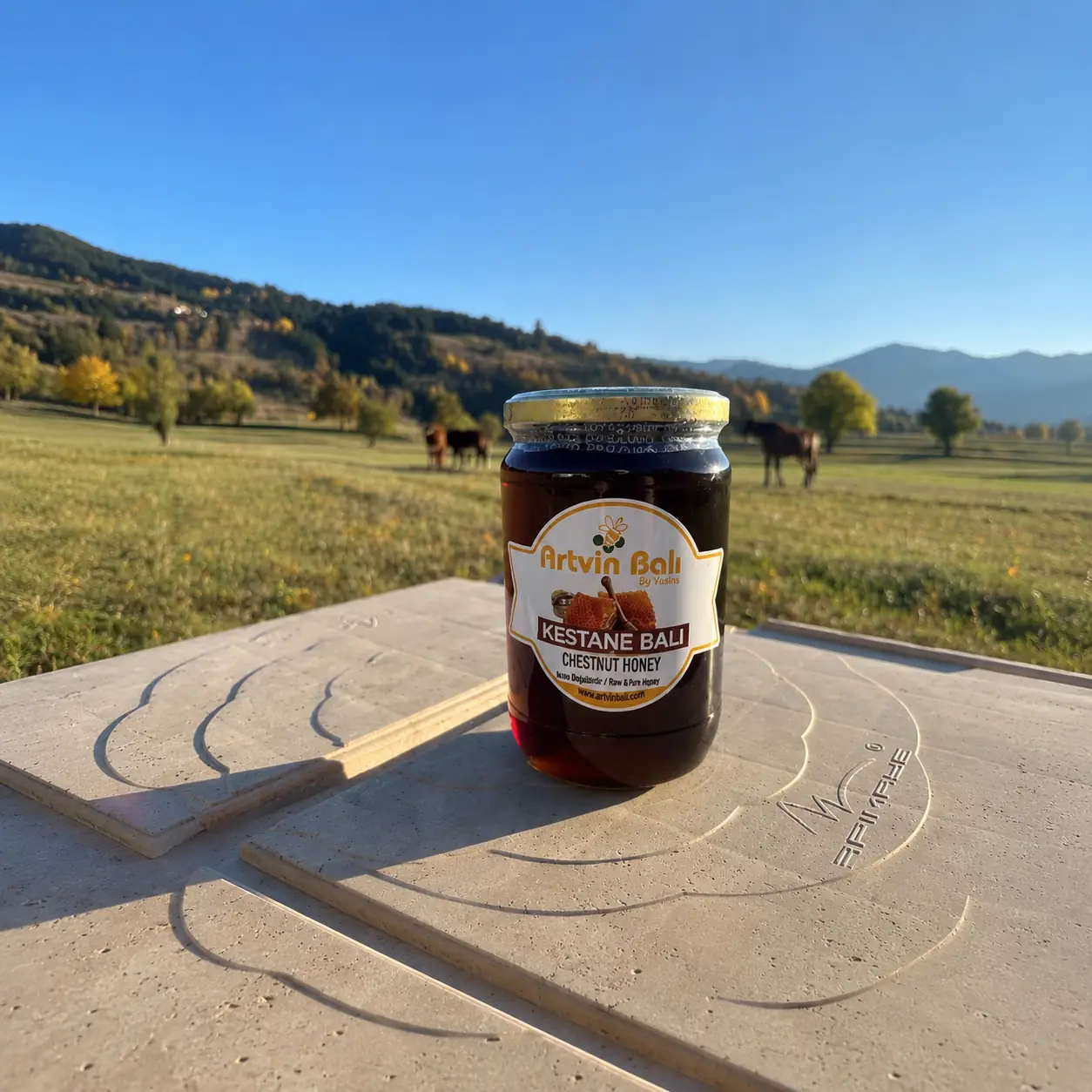
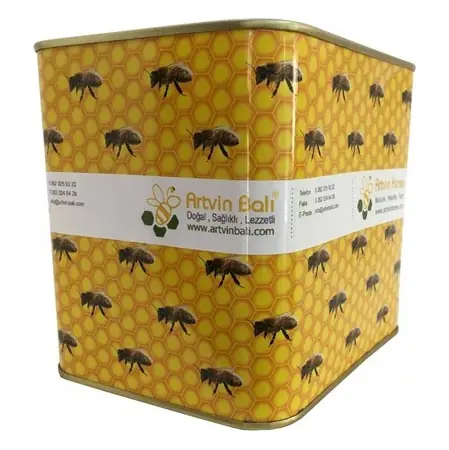
Chestnut Honey 3000 g
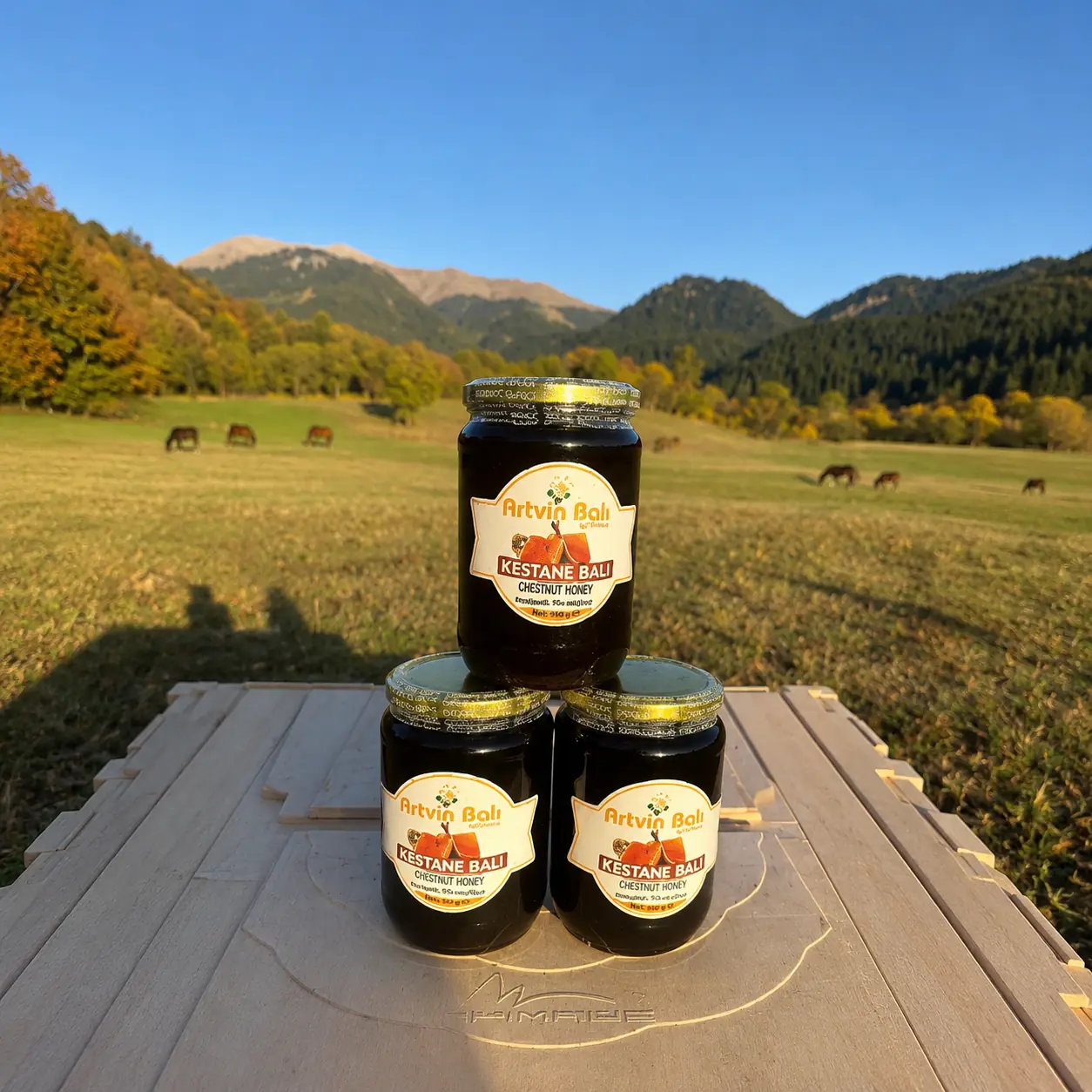
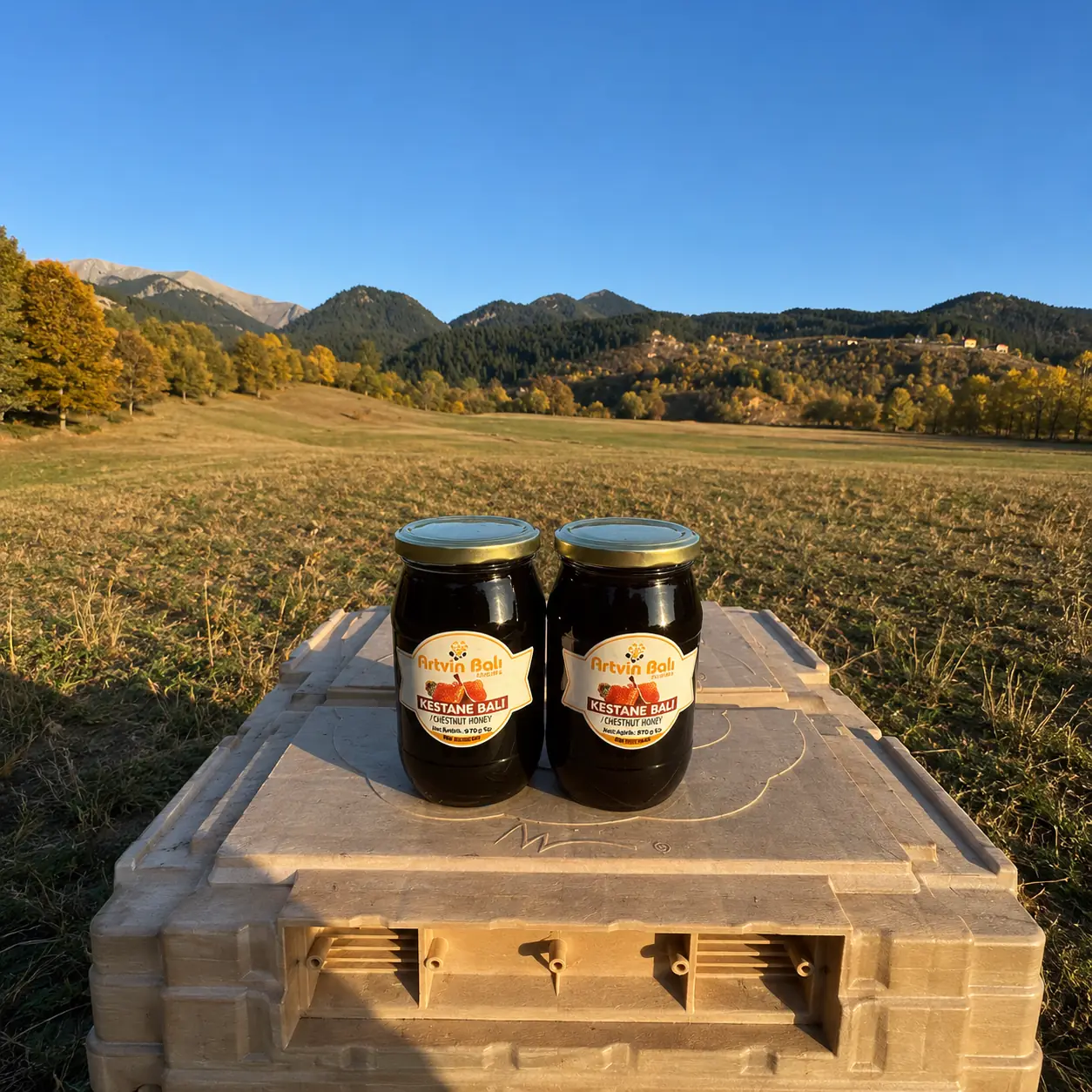
Gift Chestnut Honey 970 g
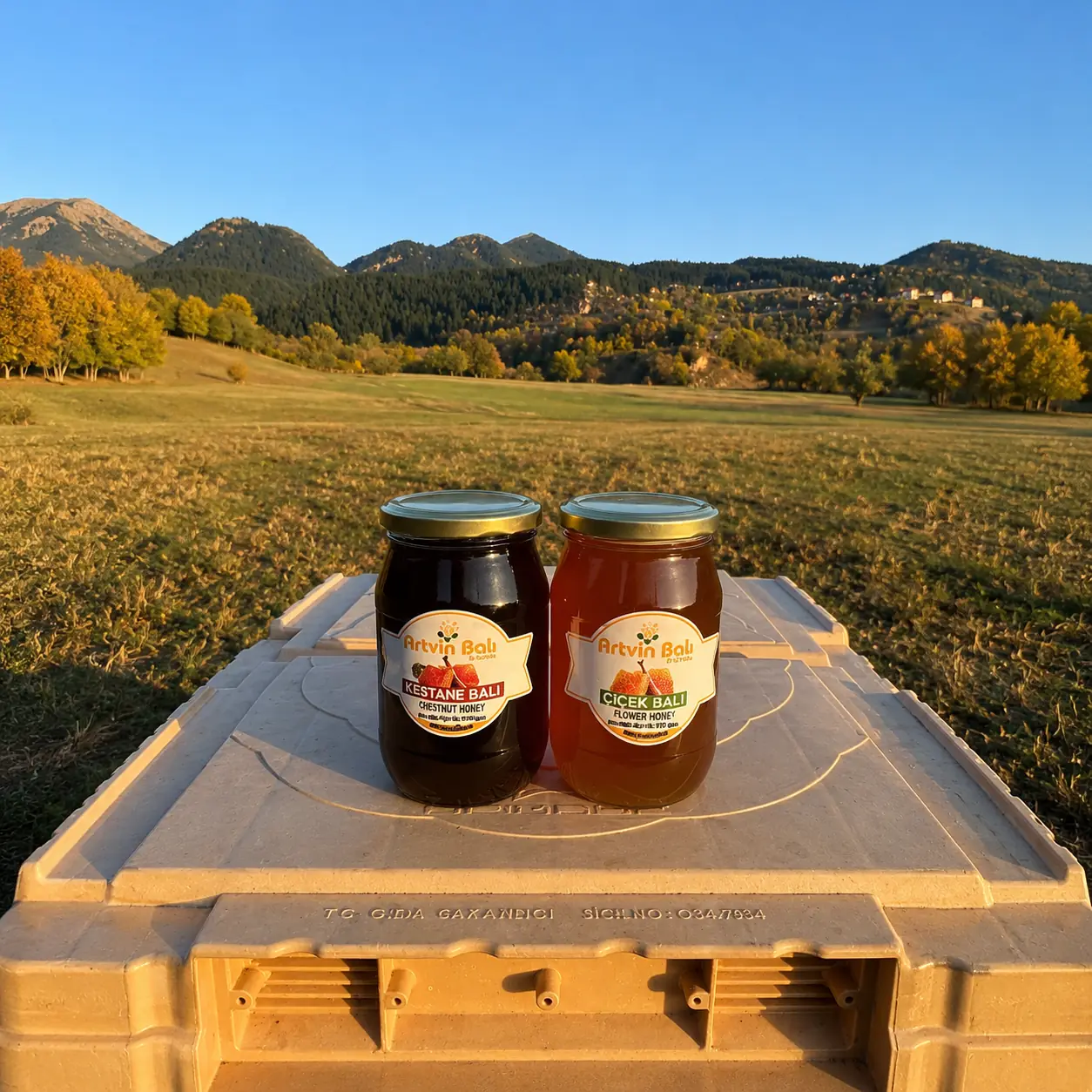
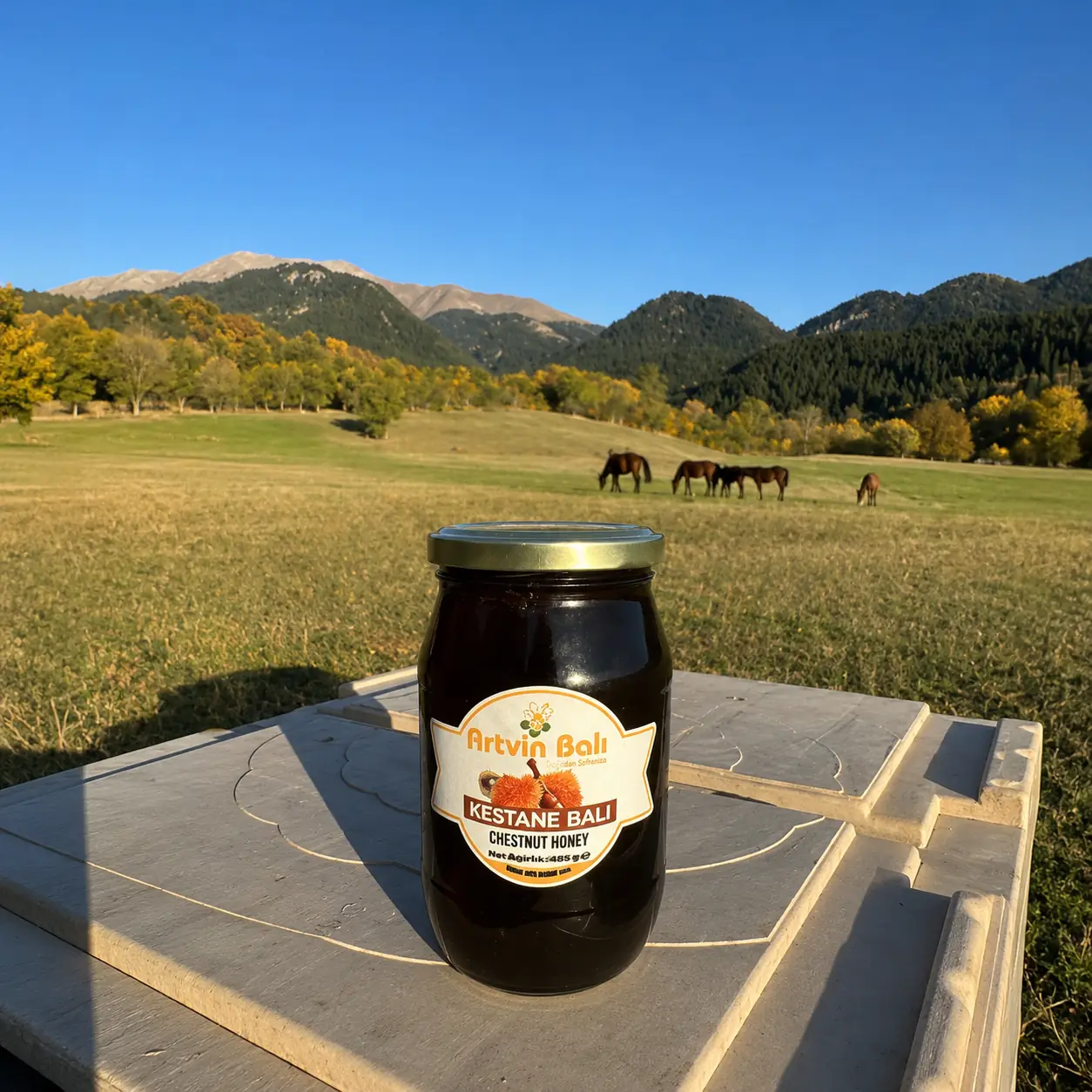
Chestnut Honey Taster 485 g
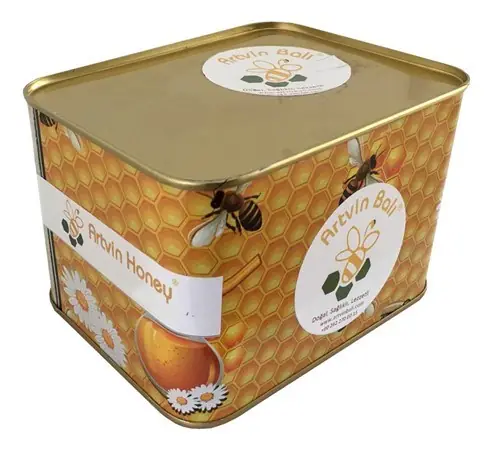
Chestnut Honey 2000 g
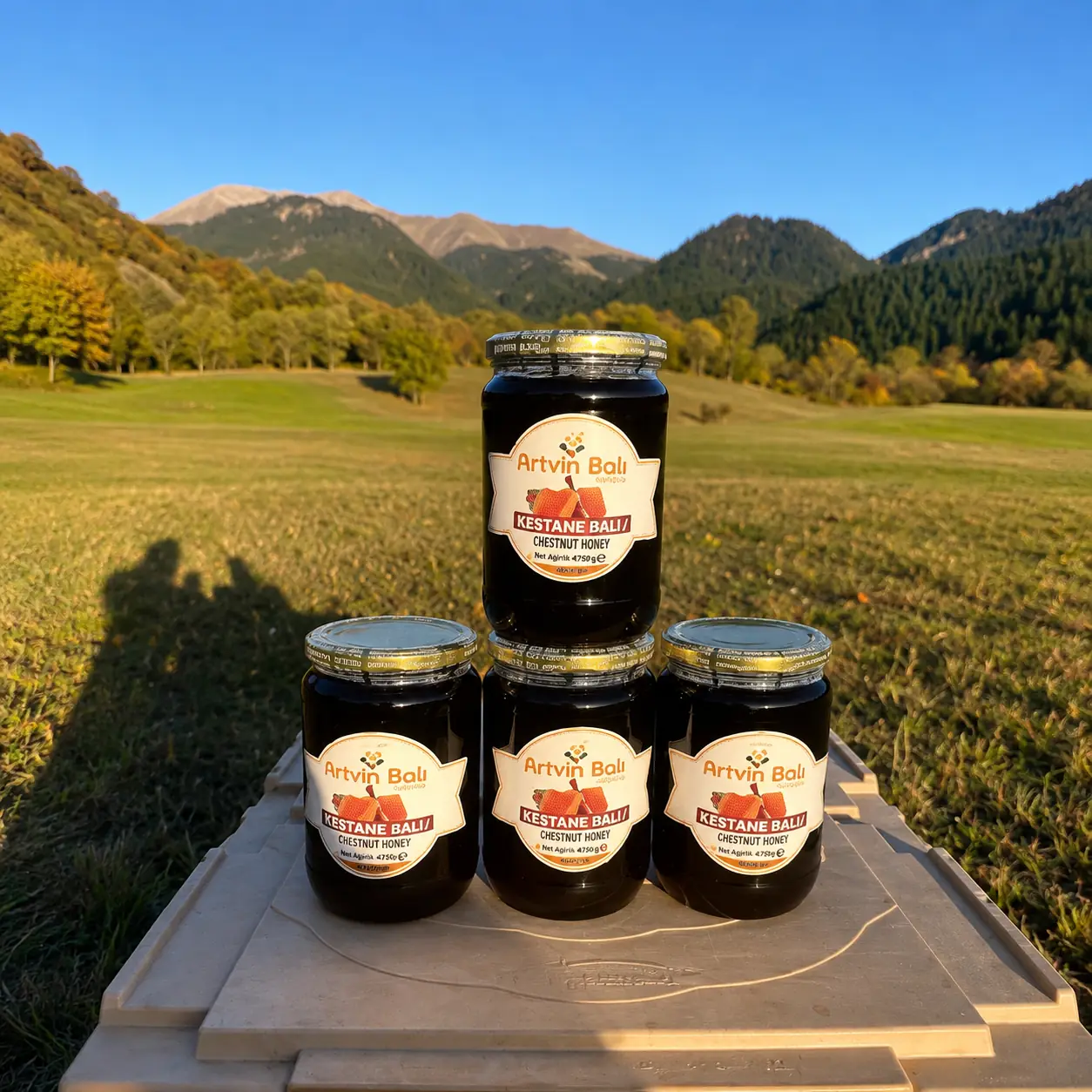
Jumbo Chestnut Honey 4750 g
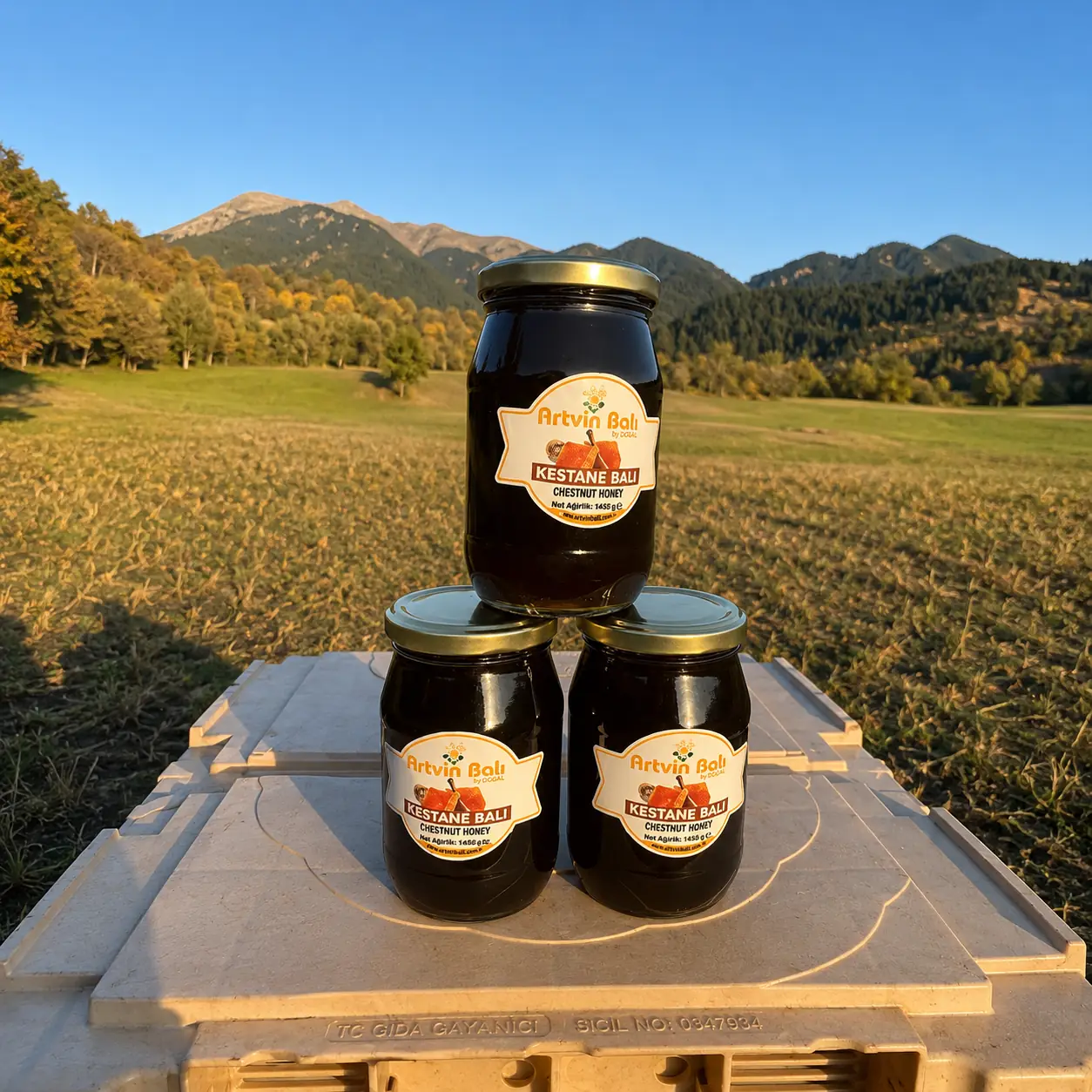
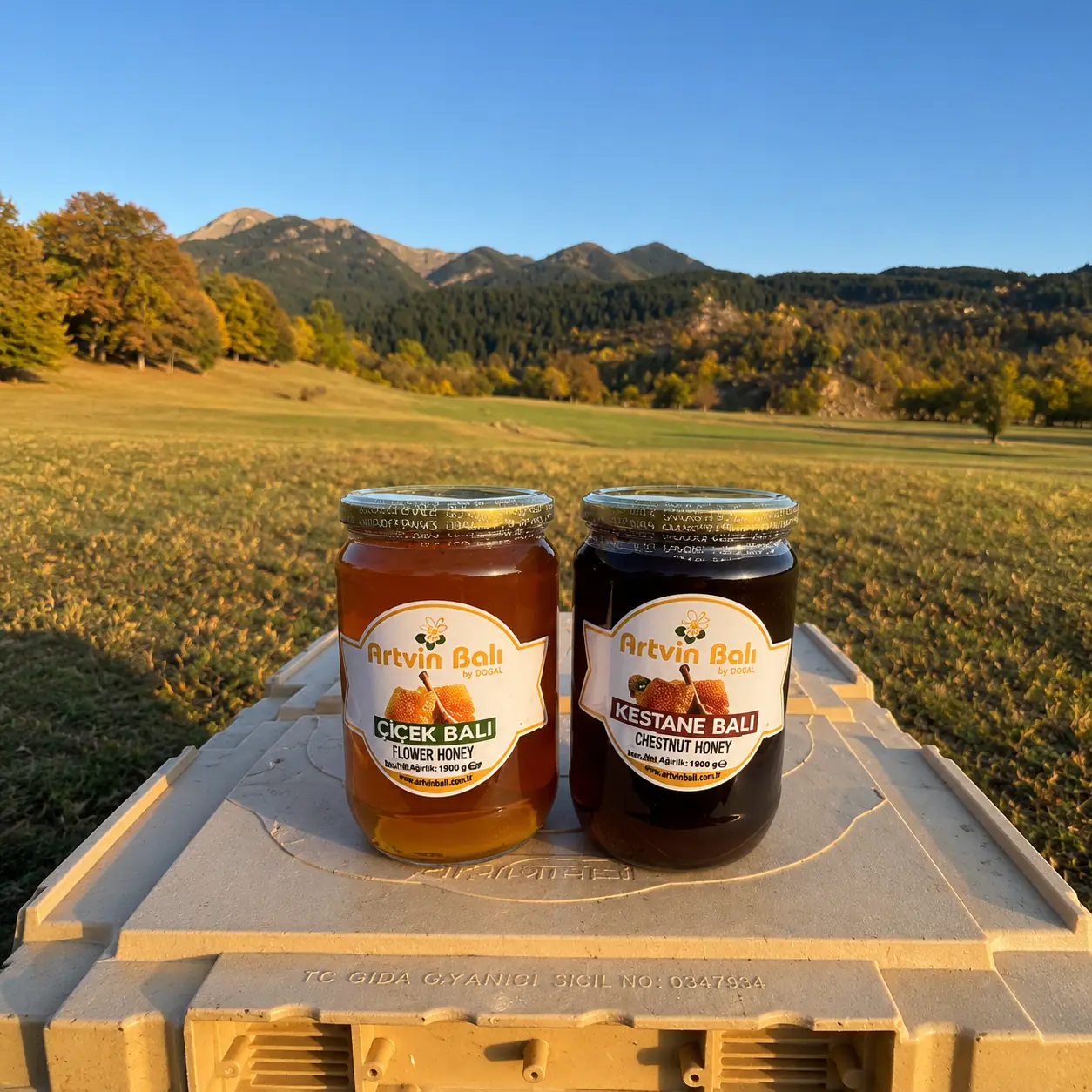
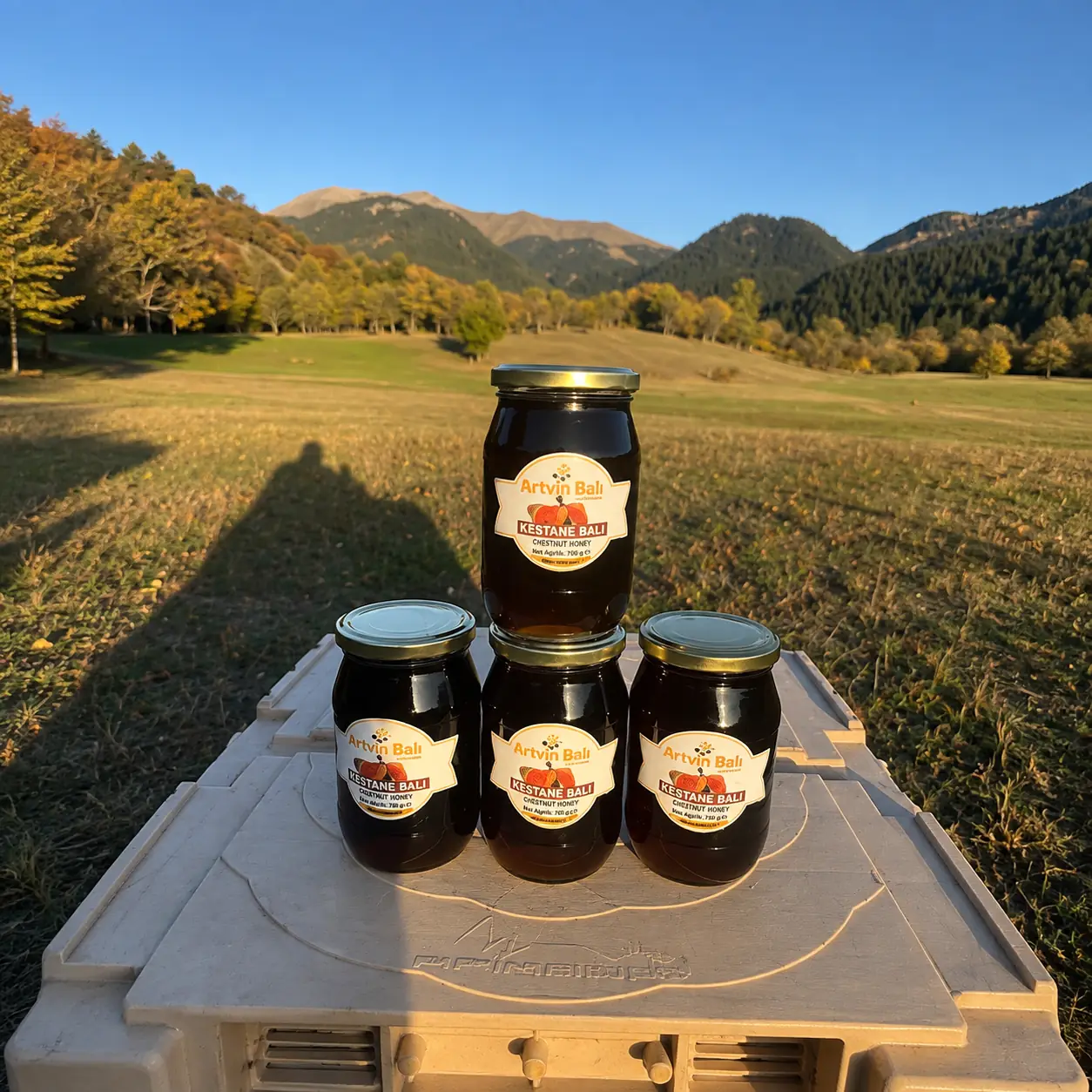
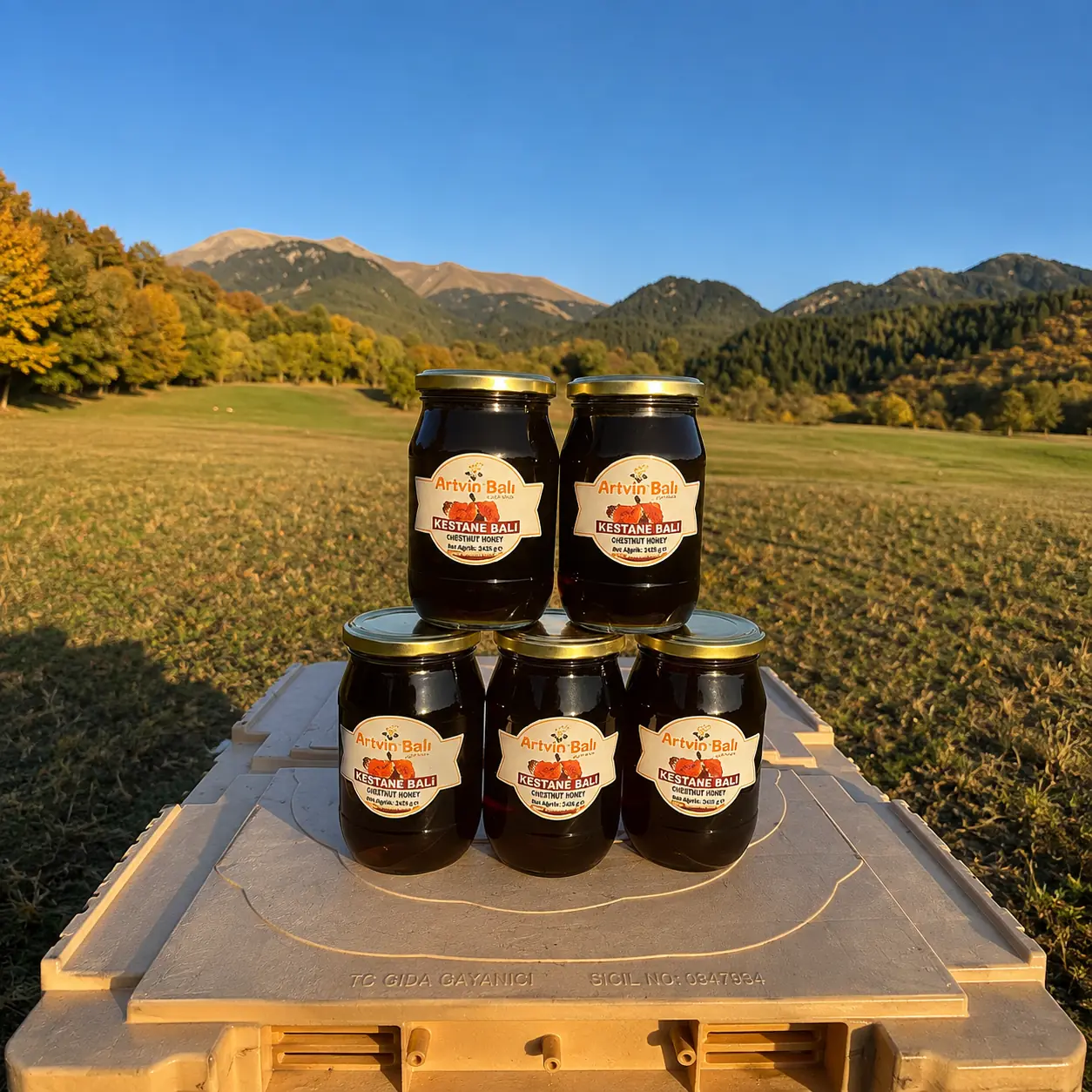
Happiness Chestnut Honey 2425 g
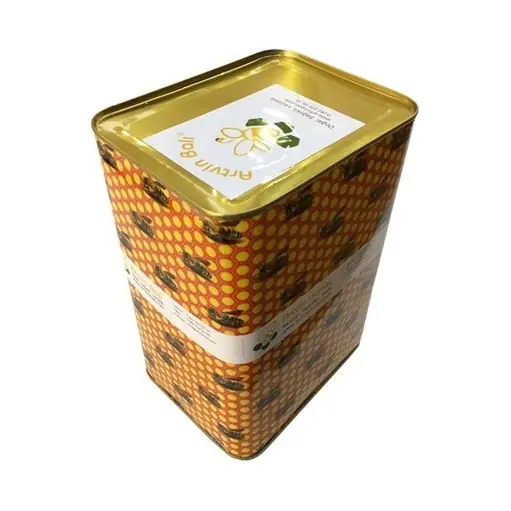
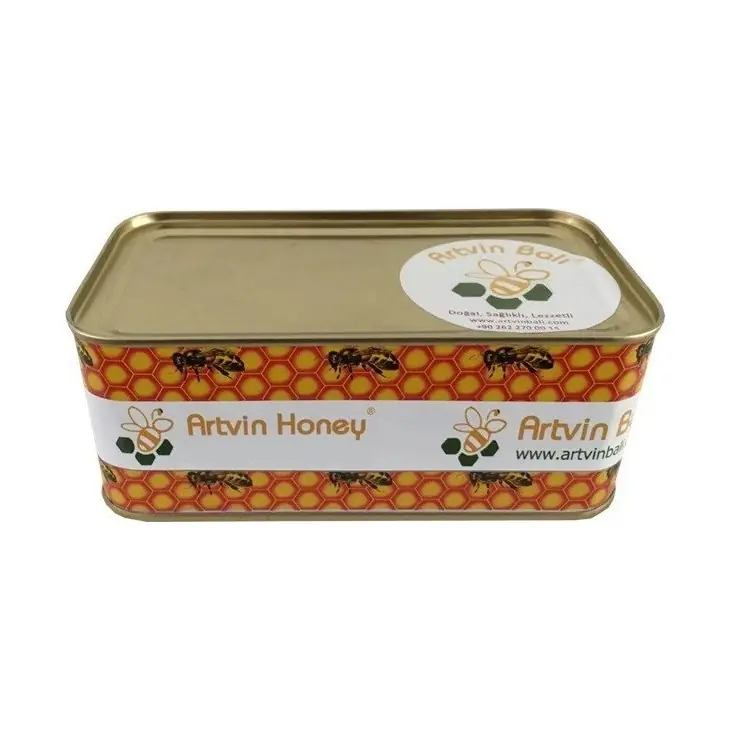
Chestnut Honey 5000 g
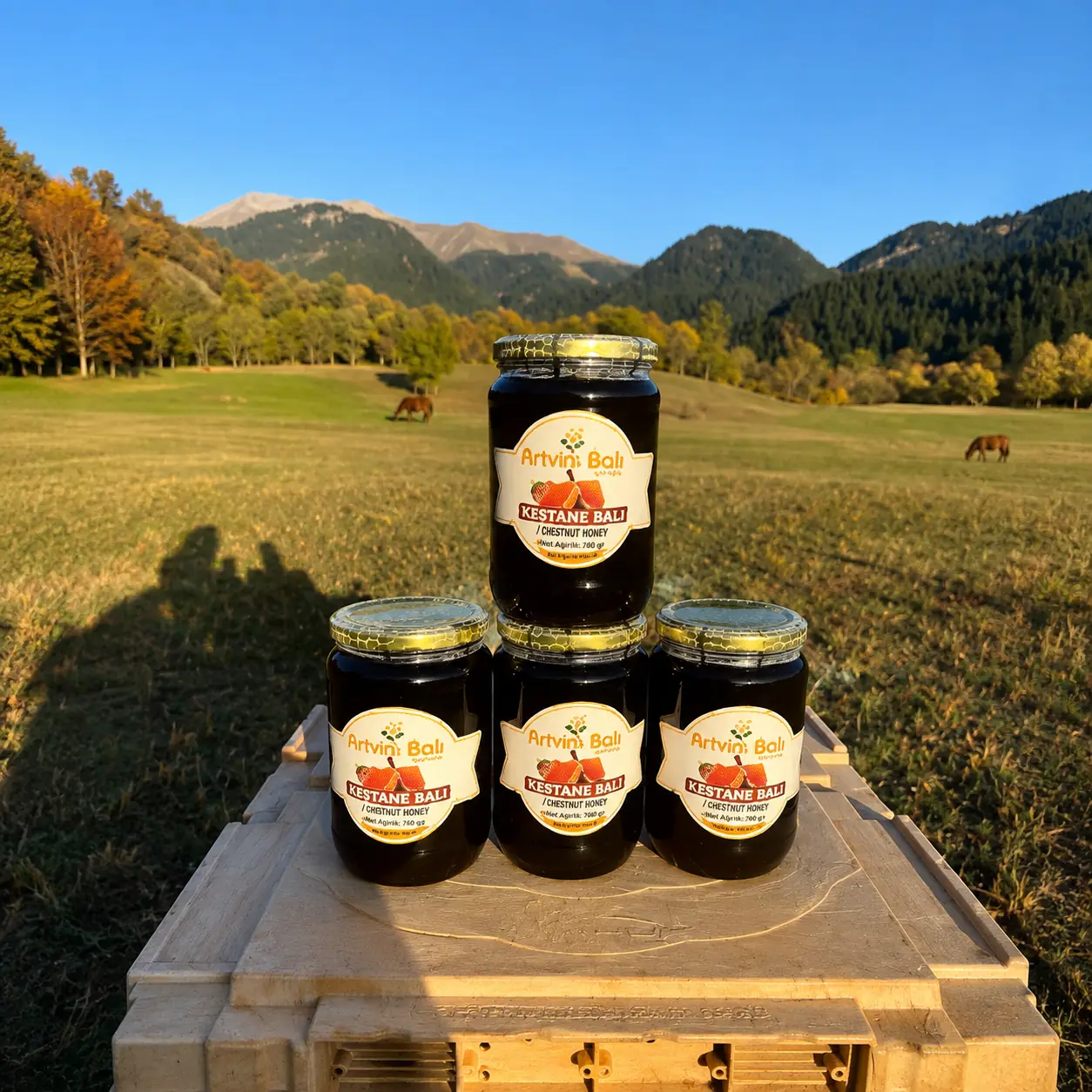
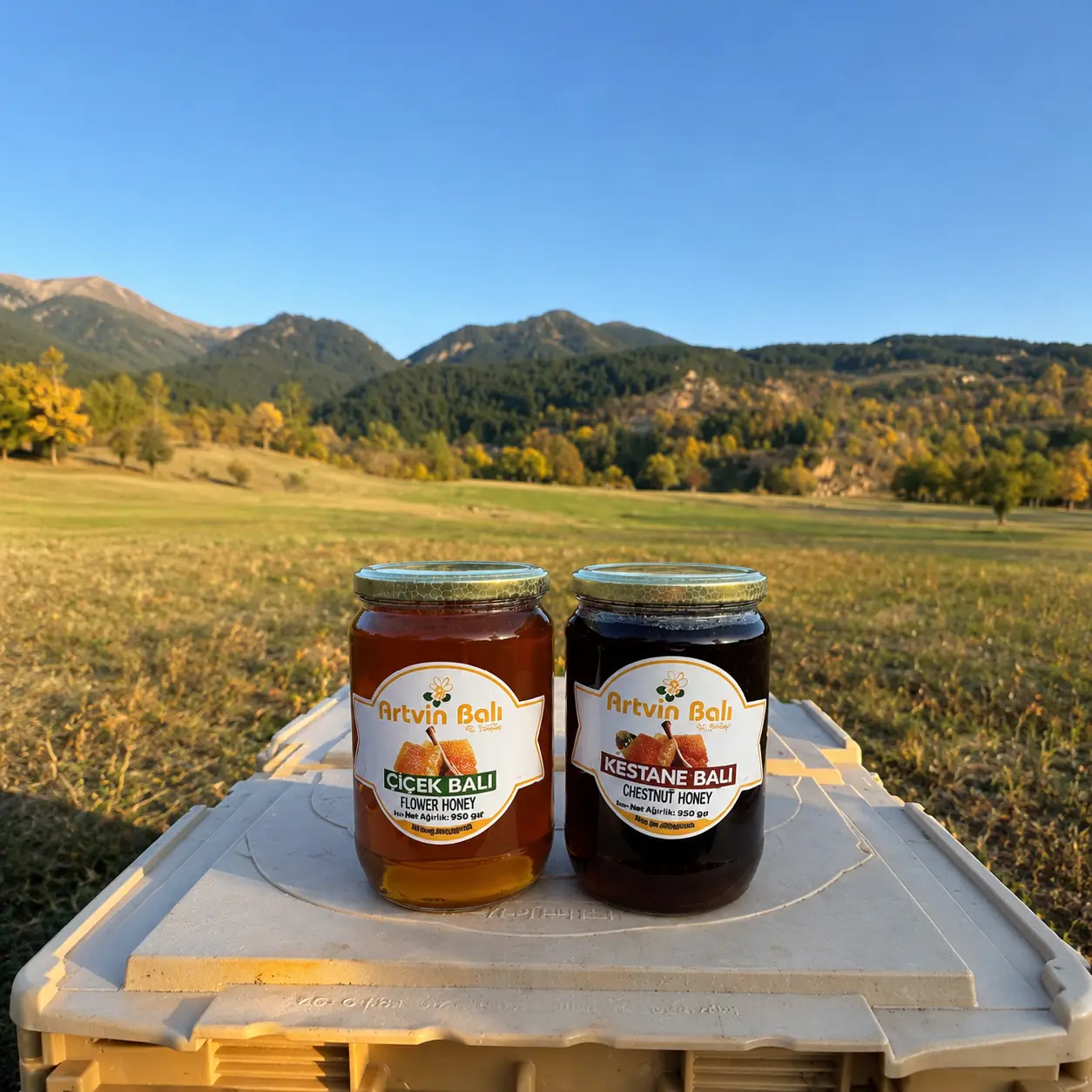
Chestnut Honey 1000 g
About Artvin Chestnut Honey
Chestnut honey is a monofloral honey made from the nectar bees gather from chestnut blossoms, and it is immediately recognizable by its dark amber, sometimes almost brown color. Compared with flower honey it is darker, more intense in aroma and mildly bitter in taste; that bitterness is not a defect but the characteristic signature of chestnut honey. It is sometimes confused with rhododendron honey, known as mad honey in the Black Sea region; chestnut honey is not mad honey and does not contain intoxicating grayanotoxins. Its high fructose content means it crystallizes much later than flower honey and stays fluid for months. It is produced wherever chestnut forests grow in Türkiye; ours comes from chestnut groves on Artvin’s Kaçkar foothills.
If you prefer a milder, lighter and more floral taste, you can explore our Artvin flower honey varieties.
- Natural, with no additives or syrup
- Produced at 1,200–1,600 meters
- Gathered from chestnut forests on the foothills of the Kaçkar Mountains
- Produced by Caucasian honey bees
- Harvested once a year, when chestnut blossoms in June–July
- Dark amber to brown, mildly bitter and woody in aroma
- High in fructose, so it crystallizes late and remains fluid for a long time
Where Does Chestnut Honey Come From? Which Cities Produce It?
Chestnut honey is produced wherever chestnut forests grow; Türkiye’s chestnut belt extends from the western Black Sea to the eastern Black Sea, through Marmara and into the Aegean. These are the regions most often mentioned in searches and what distinguishes them.
| Region | Notable chestnut groves | Defining feature |
|---|---|---|
| Zonguldak, Bartın | Devrek, Ereğli, Ulus | The region most often associated with chestnut honey; the phrase ‘land of chestnut honey’ comes from here. |
| Kastamonu, Sinop | Cide, Doğanyurt, Abana, Ayancık | Extensive chestnut groves near the coast; a large share of national production comes from this belt. |
| Düzce, Sakarya | Akçakoca and coastal forests | Low elevation and high rainfall; honey is relatively darker and denser. |
| Istanbul, Kocaeli | Şile, Ağva | Marmara’s chestnut belt, well known because of its proximity to a major city. |
| Artvin, Rize | Borçka, Arhavi, Murgul; northern slopes of the Kaçkar | Our production region. Chestnut climbs to high elevations here and nights are cool. |
| Bursa, Yalova, Muğla | İnegöl, Köyceğiz, Marmaris | Production outside the Black Sea; harvesting begins earlier than in the north. |
There is no single ‘correct’ city for chestnut honey. Its character is defined not by a provincial border but by forest density, elevation and whether harvest coincides with chestnut flowering; two different honeys can come from the same province. We sell only honey harvested in Artvin and do not buy and resell honey from other regions.
Where Can You Buy Original Artvin Chestnut Honey?
Choose the size you like with “Add to cart”, or message us on WhatsApp for same-day stock and shipping information. All sizes come from our hives and beekeepers in Artvin’s villages and highlands; there is no wholesaler. Payment is by bank transfer to a Turkish bank account (EFT/havale), and orders confirmed before 16:00 (GMT+3) are dispatched the same day throughout Türkiye.
- Directly from the beekeeper, no wholesaler
- Orders before 16:00 ship the same day
- Delivery across Türkiye
- We pay return shipping for defective items
Frequently Asked Questions
What Is Chestnut Honey Good For?
Chestnut honey is traditionally preferred for breakfast energy and its strong aroma. Its dark color reflects a higher level of antioxidant compounds than light honey, but it is a food and not a treatment. People with a pollen allergy, diabetes or a special diet should consult a health professional before making it part of their diet.
What Is the Price per Kilo of Chestnut Honey?
The current price is shown in the product cards above and varies by jar size: larger jars cost less per kilo. The price reflects the once-a-year harvest, the chestnut flowering season and that the honey is sold directly from the producer without an intermediary. Message us on WhatsApp for current stock and shipping.
Who Should Not Eat Chestnut Honey, and How Much Should Be Eaten?
No honey should be given to infants under one year old. Adults generally need only one or two dessert spoons a day. Anyone with diabetes, a pollen allergy, a special diet or a condition requiring dietary advice should ask a health professional. Honey is a food, not a replacement for treatment.
How Can You Recognize Genuine Chestnut Honey?
Its naturally dark amber-to-brown color, distinctive woody aroma and mildly bitter finish are useful clues. Its high fructose content usually keeps it fluid longer than flower honey. These signs are not proof: only laboratory analysis can provide certainty. We do not heat, blend or add syrup to our harvest.
How Is Chestnut Honey Made, and When Is It Harvested?
Chestnut trees bloom from late June to early July; we move hives into the chestnut grove that week and take them back when flowering finishes. It is harvested once a year. The extracted honey goes straight into the jar: there is no heating, fine filtering or mixing with another honey.
How Is Chestnut Honey Consumed? Can It Be Eaten on an Empty Stomach or Before Bed?
For an adult, one or two dessert spoons a day are enough. It can be eaten on an empty stomach or before bed; neither has a known drawback. It goes well with breakfast, mature cheese and yoghurt. Its mildly bitter profile is appreciated more by those who prefer a strong aroma than by those seeking a very sweet taste.
How Does Chestnut Honey Differ from Flower Honey?
Chestnut honey is darker, more aromatic and mildly bitter; flower honey is lighter, sweeter and made from many floral sources. Their color and flavor come from their source plants, and neither is a medicine. Chestnut honey has more phenolic compounds because it is dark, while flower honey crystallizes sooner because its glucose content is higher.
How Should Chestnut Honey Be Stored? Does It Crystallize?
Store it in a sealed glass jar between 18 and 24 °C, in a dry place away from sunlight. Refrigeration is unnecessary. Because it is high in fructose, chestnut honey stays fluid longer than flower honey; if it crystallizes, soften it in warm water below 40 °C. Always use a dry spoon.