
Three things set Artvin honey apart: the high-altitude mountain flora the nectar comes from, the Caucasian honey bee widely kept in the region, and a short production season. But not all Artvin honey is the same. What actually determines its character is where the hive stood, which flowering period the harvest fell in, and what was done to the honey afterwards — this page answers those questions.
Why Altitude Matters
Our honey comes from villages and highlands on the foothills of the Kaçkar Mountains, at 1,200 meters (3,940 ft) and above. Height changes two things: agricultural spraying is virtually absent at this level, and the summer is short. A short summer squeezes flowering into a narrow window, so the bees work harder in less time and each hive yields markedly less honey than it would in the lowlands. You will not find a claim here that altitude makes honey "more healing" — what altitude changes is the source of the honey and how much of it there is.
Flora: What Really Shapes the Honey
Artvin is among the most botanically diverse provinces in Türkiye; the northern slopes of the Kaçkars hold very different plant communities within a small area. On the honey side this means: place a hive on the lower highland at 1,300 meters and you get a light, sweet honey from clover and dandelion; move that same hive to 1,900 meters in August and the color deepens and the taste intensifies. The difference between flower honey and chestnut honey comes from the same place: one is a blend of dozens of flowers, the other the nectar of a single tree.
The Caucasian Honey Bee
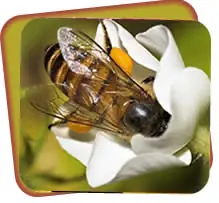
Production in the region is done with the cold-hardy Caucasian honey bee. This race has a longer tongue than other honey bee races, so it reaches nectar in deep-throated flowers, and it keeps working in cool weather. In the short, cool summer of the Kaçkar highlands both traits make a practical difference. For more, see our article on the Caucasian honey bee.
Harvest and What Follows
Highland honey is harvested through the season as capped frames fill up. For chestnut honey the hives are moved into the chestnut groves when the trees blossom in late June and early July, then taken out once flowering ends; the harvest happens once a year. Log-hive honey is harvested once a year as well, with the comb cut out whole.
Extraction and filling take place in our own workshop in Artvin. We apply no heat treatment: extraction does not require heating, and the extracted honey goes straight into the jar. No sugar syrup, glucose or any other additive is used.
Who Produces the Honey?
Our honey comes from our own hives and from beekeepers we work with in Artvin's villages and highlands, above all around Ardanuç. The Yazıcı family has been doing this for two generations. There is no wholesaler in between; you are talking to the people who prepare the product. We publish photographs of the highlands where the hives stand and of the flowering plants the honey comes from on our gallery page.
What to Ask When Buying Honey
Regardless of the seller, these are the questions worth asking: Where and at what altitude was the honey produced? When was it harvested? Is it from a single flower source or mixed flora? Was it heat-treated? A seller who cannot answer these does not know the origin of the honey. Home methods such as the "water test" or the "burn test" have no diagnostic value; only laboratory analysis is conclusive. See how to identify real honey for details.
What About Health Benefits?
Honey is a food. It does not treat disease and does not replace any medical treatment. We set out which effects of honey actually have evidence behind them, and which are traditional use, with evidence levels in our article on the benefits of honey. No honey of any kind should be given to infants under one year old, because of the risk of botulism.
Which Artvin Honey Suits You?
If you want a mild, floral taste, choose flower honey; for an intense, gently bitter aroma, chestnut honey; to eat the honey with its comb, log-hive honey. If you are trying it for the first time, the 485 g taster sizes are a sensible start. If you are unsure which variety suits you, message us on WhatsApp and we will suggest one based on how you plan to use it.