Flower Honey Prices and Natural Artvin Highland Honey
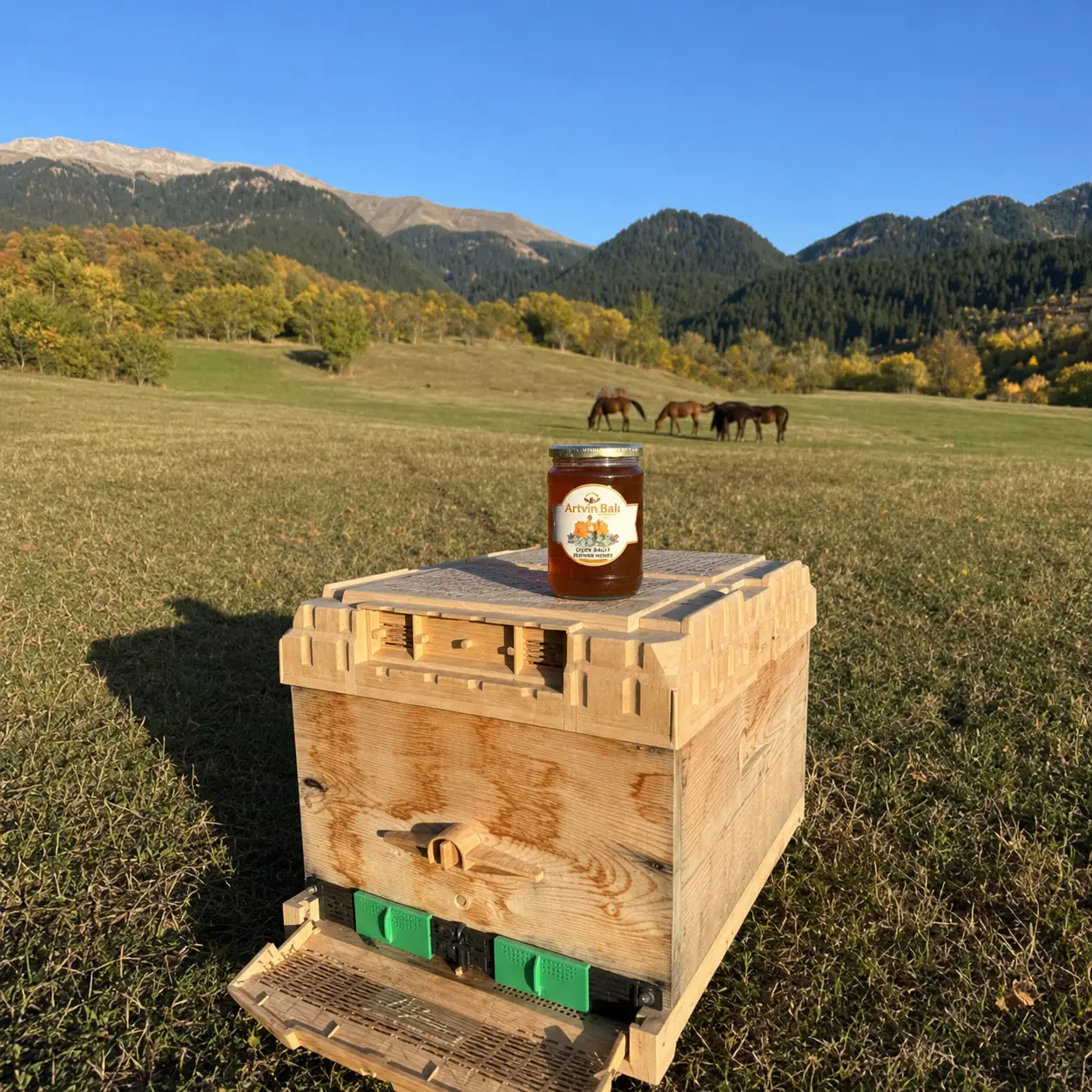
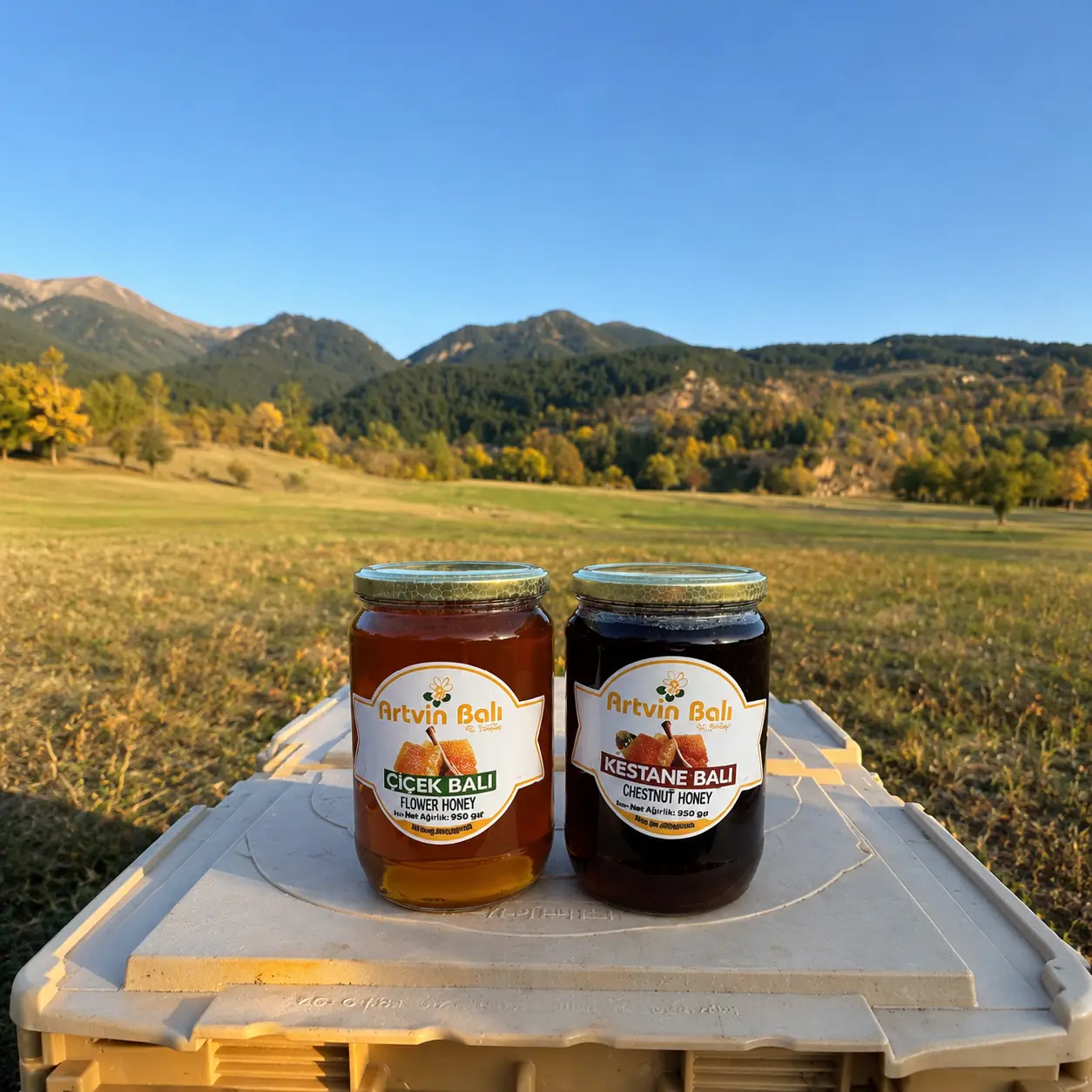
18 productsNatural Artvin flower honey produced with Caucasian honey bees in Kaçkar Mountain villages and highlands above 1,200 meters. Every size from the 485 g taster to 5 kg jars comes from our own hives and beekeepers in Artvin’s villages and highlands. For photos from Artvin's highlands, villages and flower meadows, browse our gallery.
Flower Honey Products and Prices
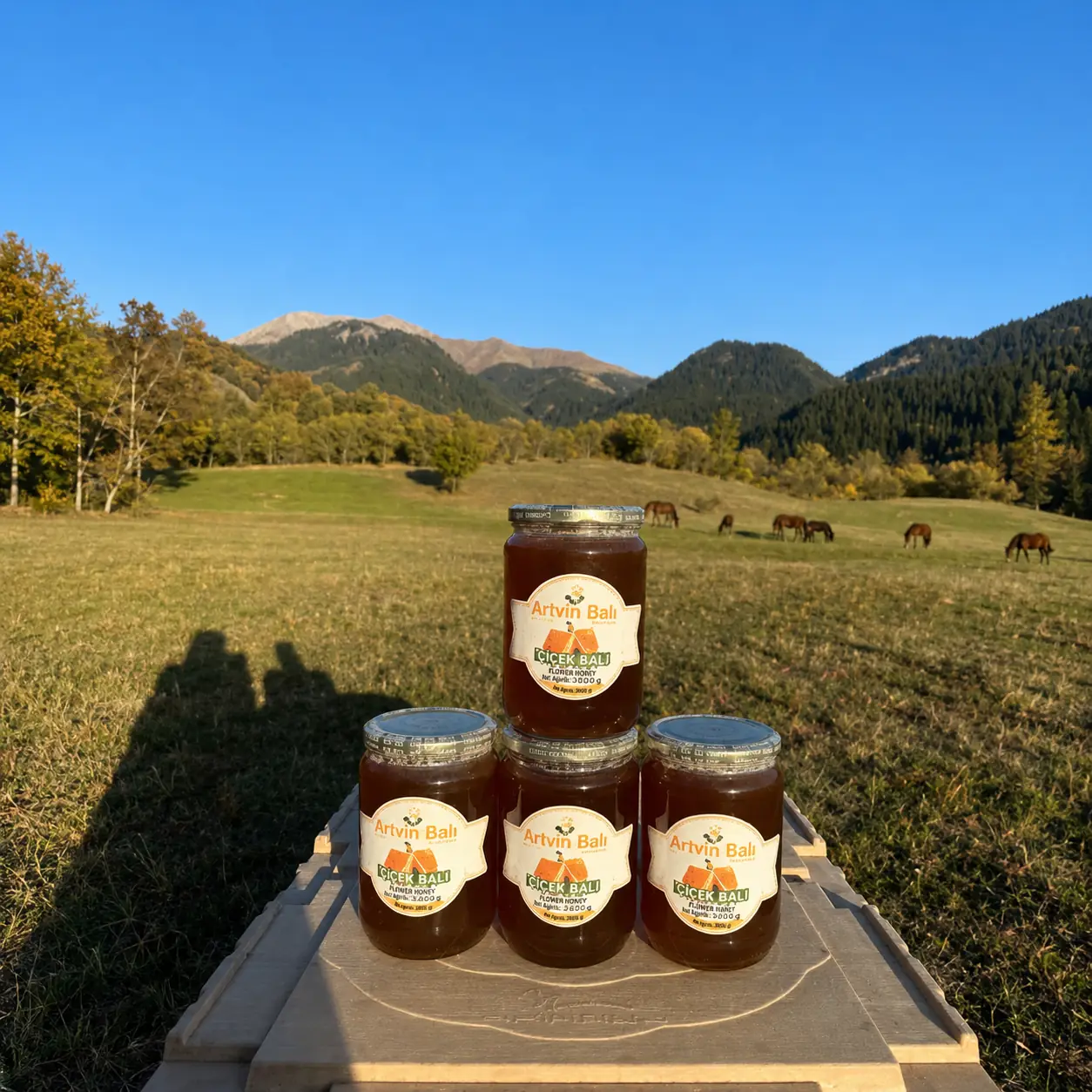
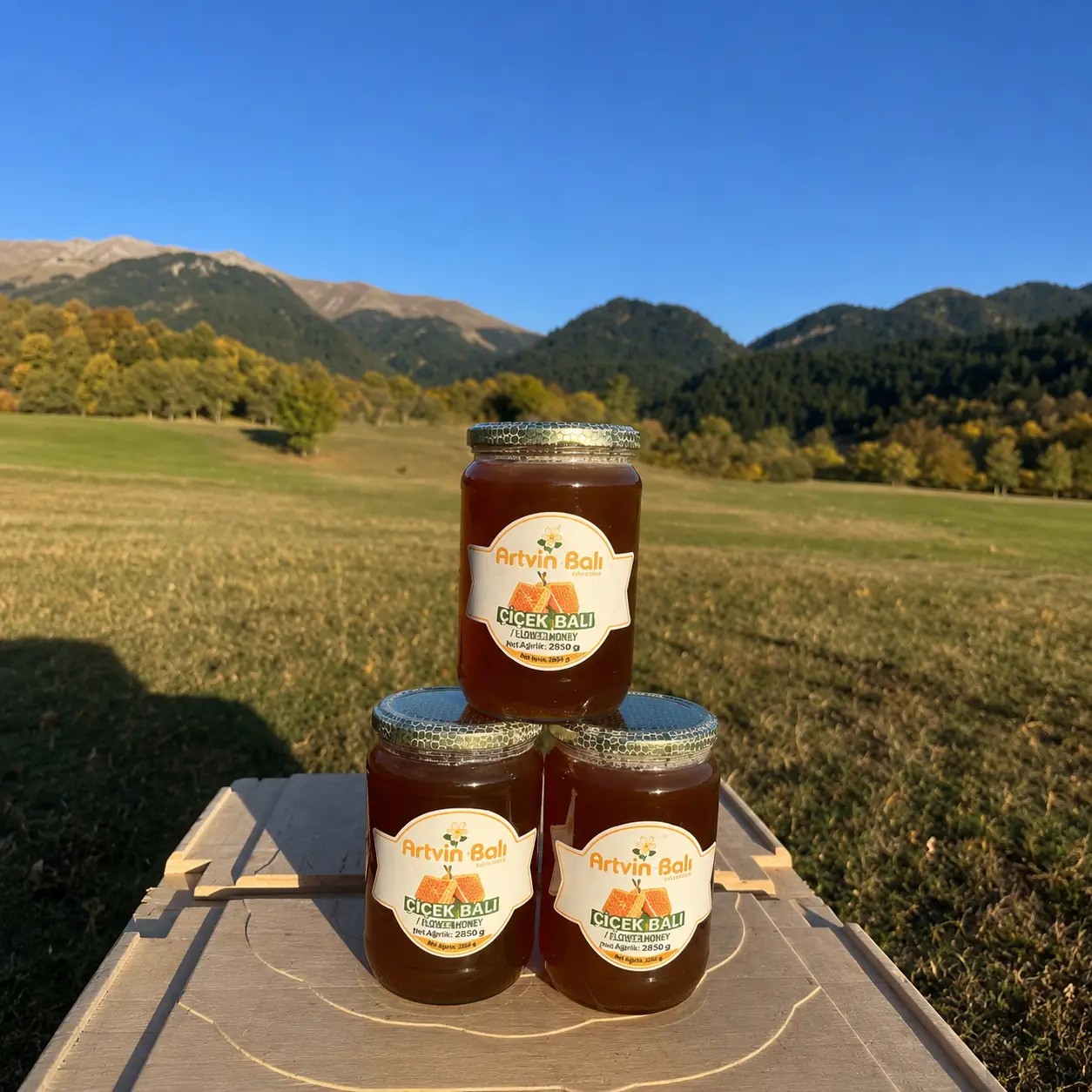
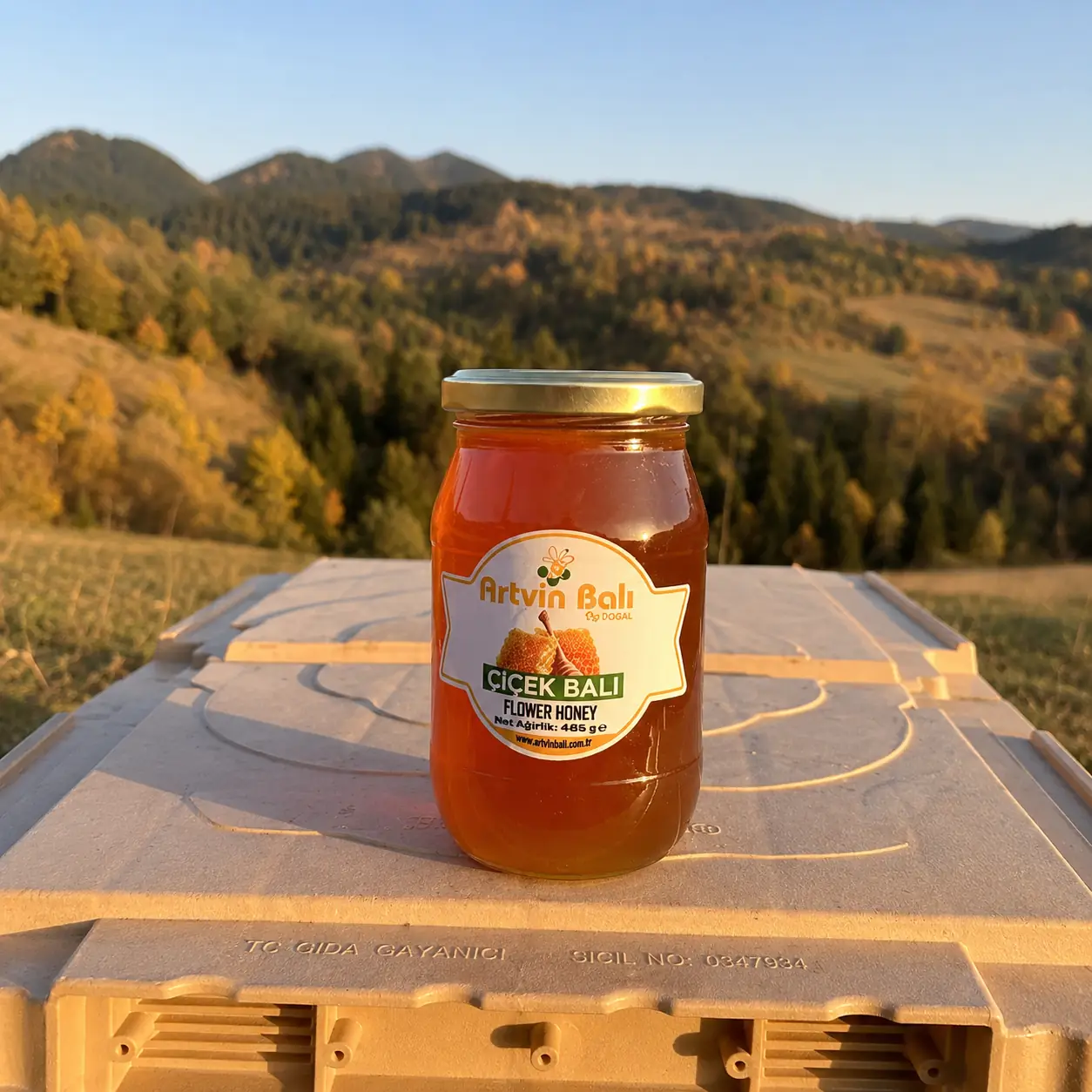
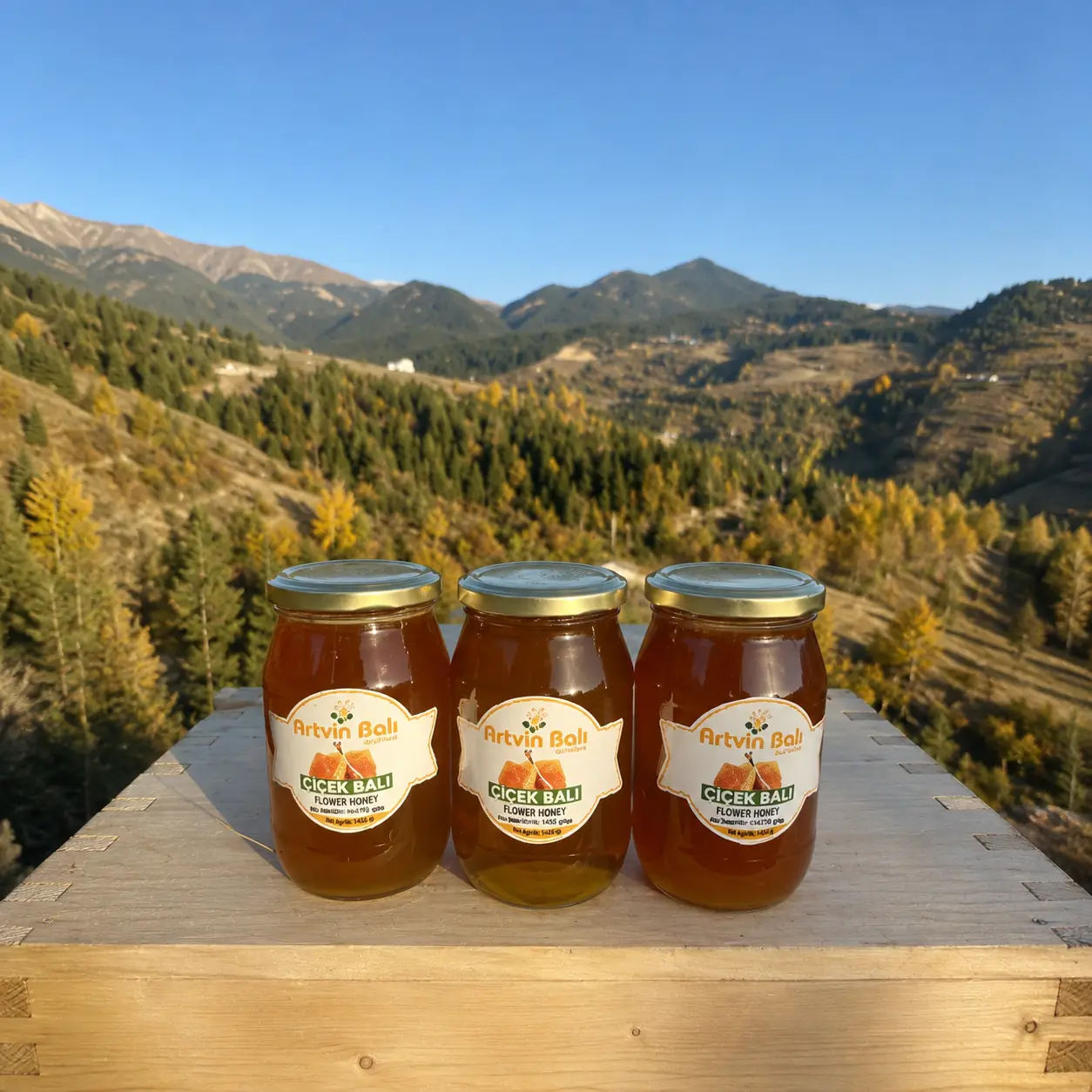
Highland Honey Taster 485 g
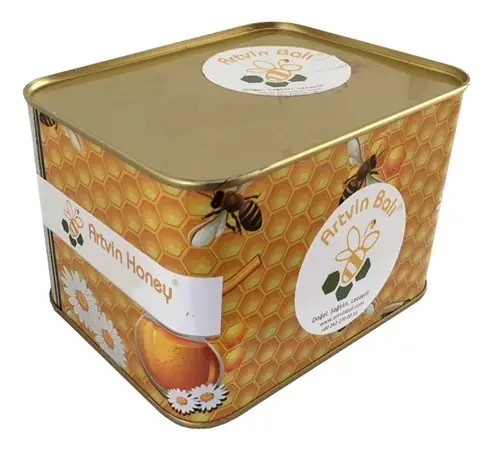
Kaçkar Honey 2000 g
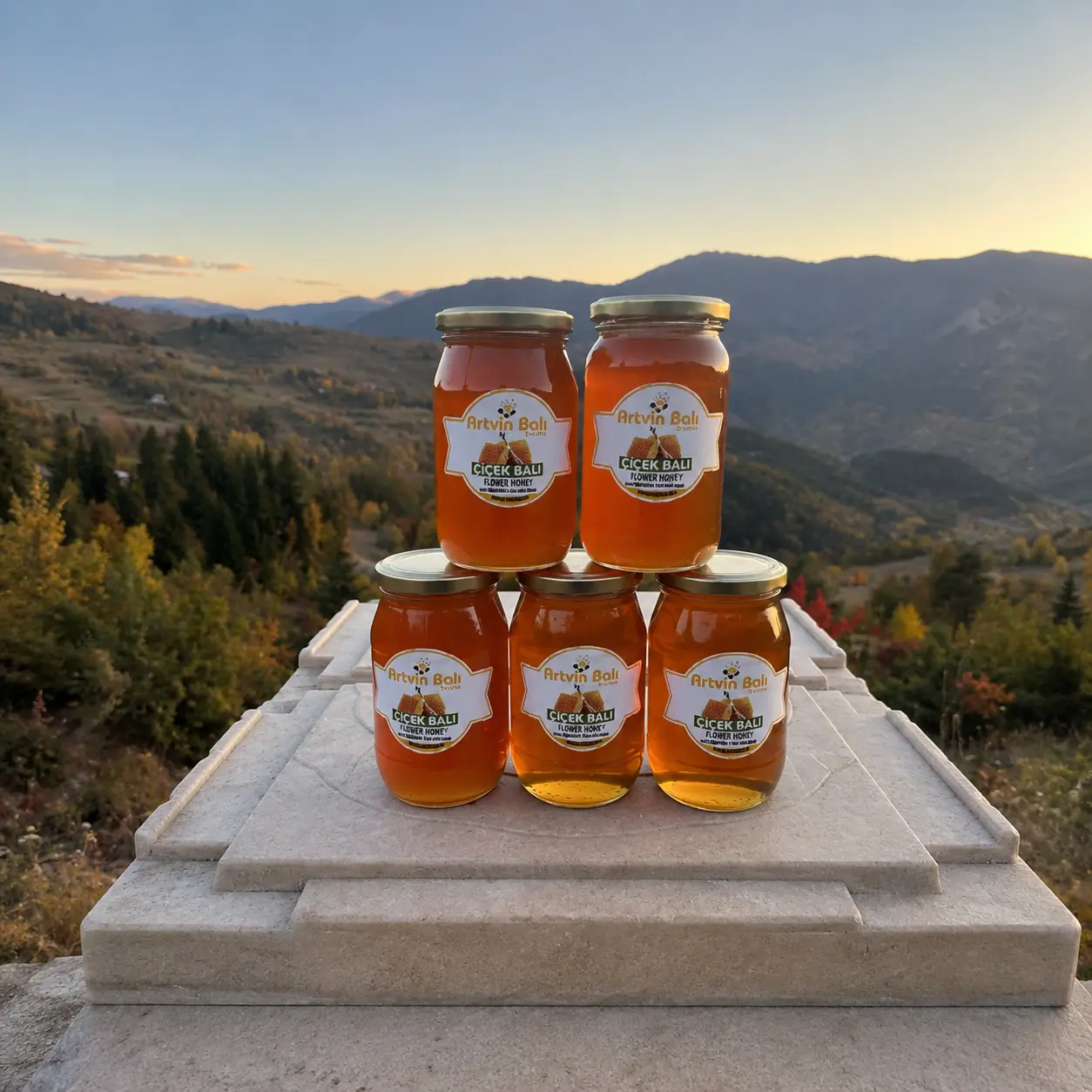
Happiness Highland Honey 2425 g
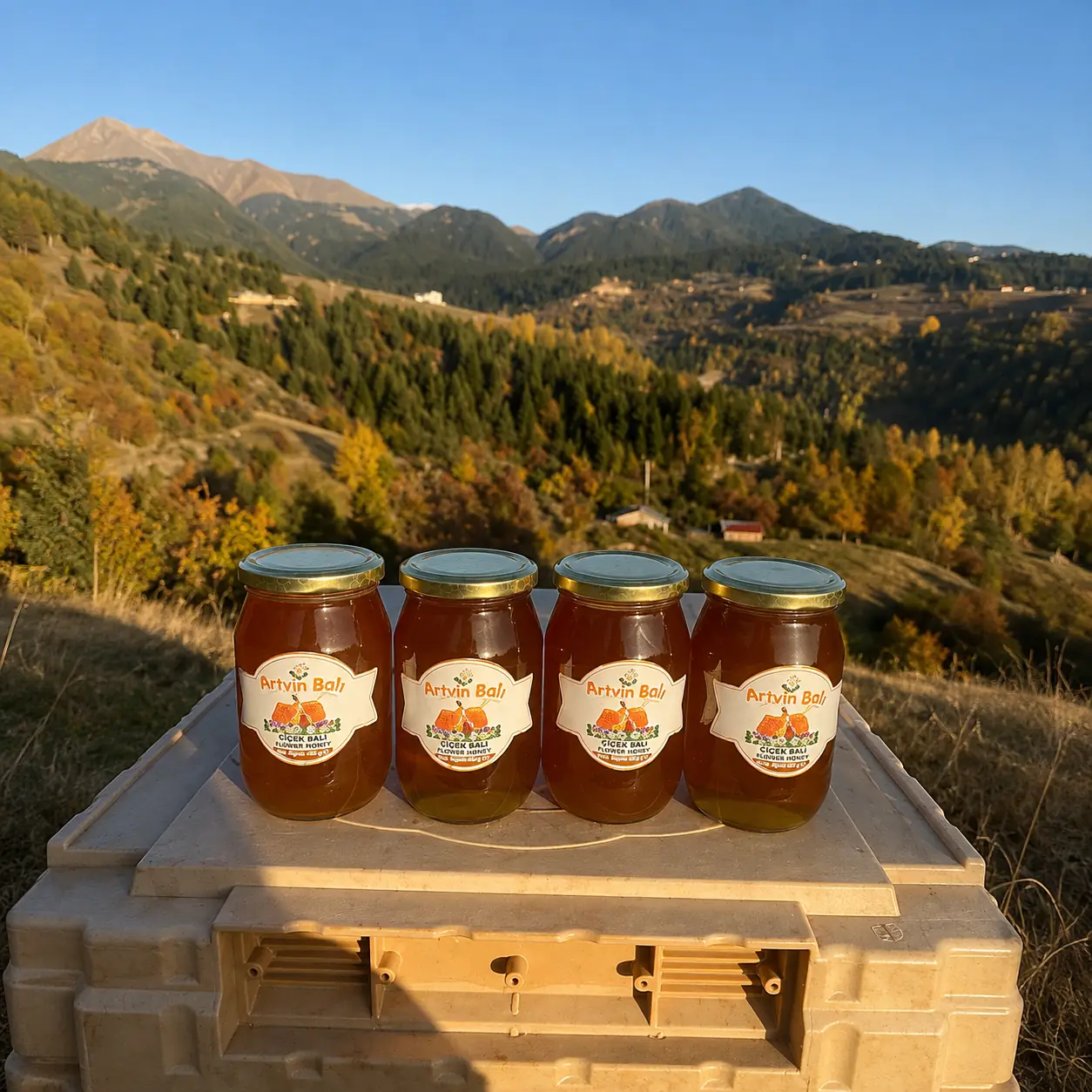
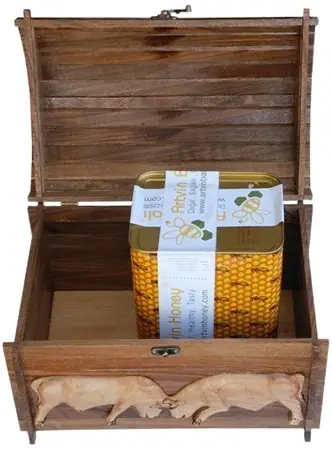
Special Kaçkar Honey 5000 g
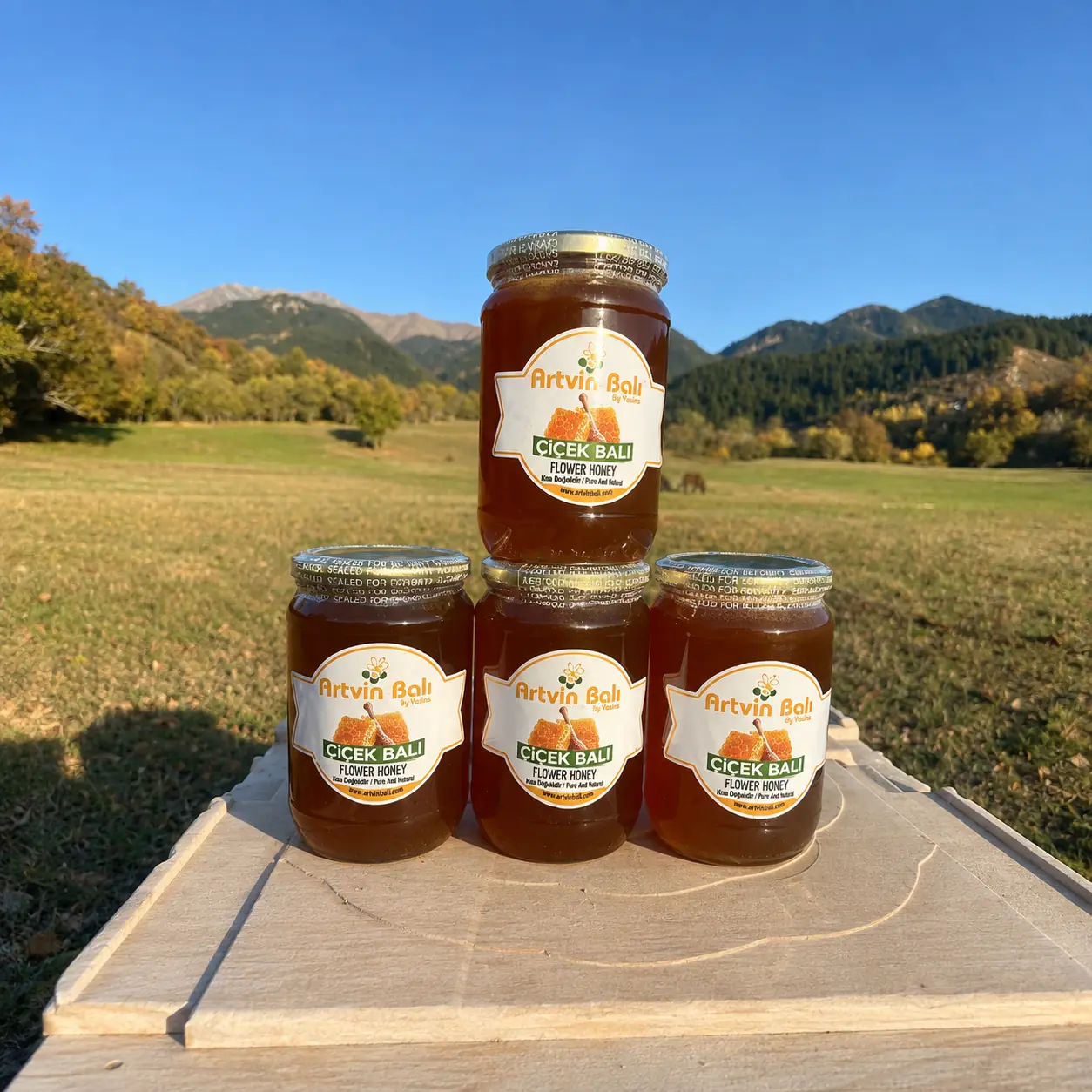
Jumbo Highland Honey 4750 g
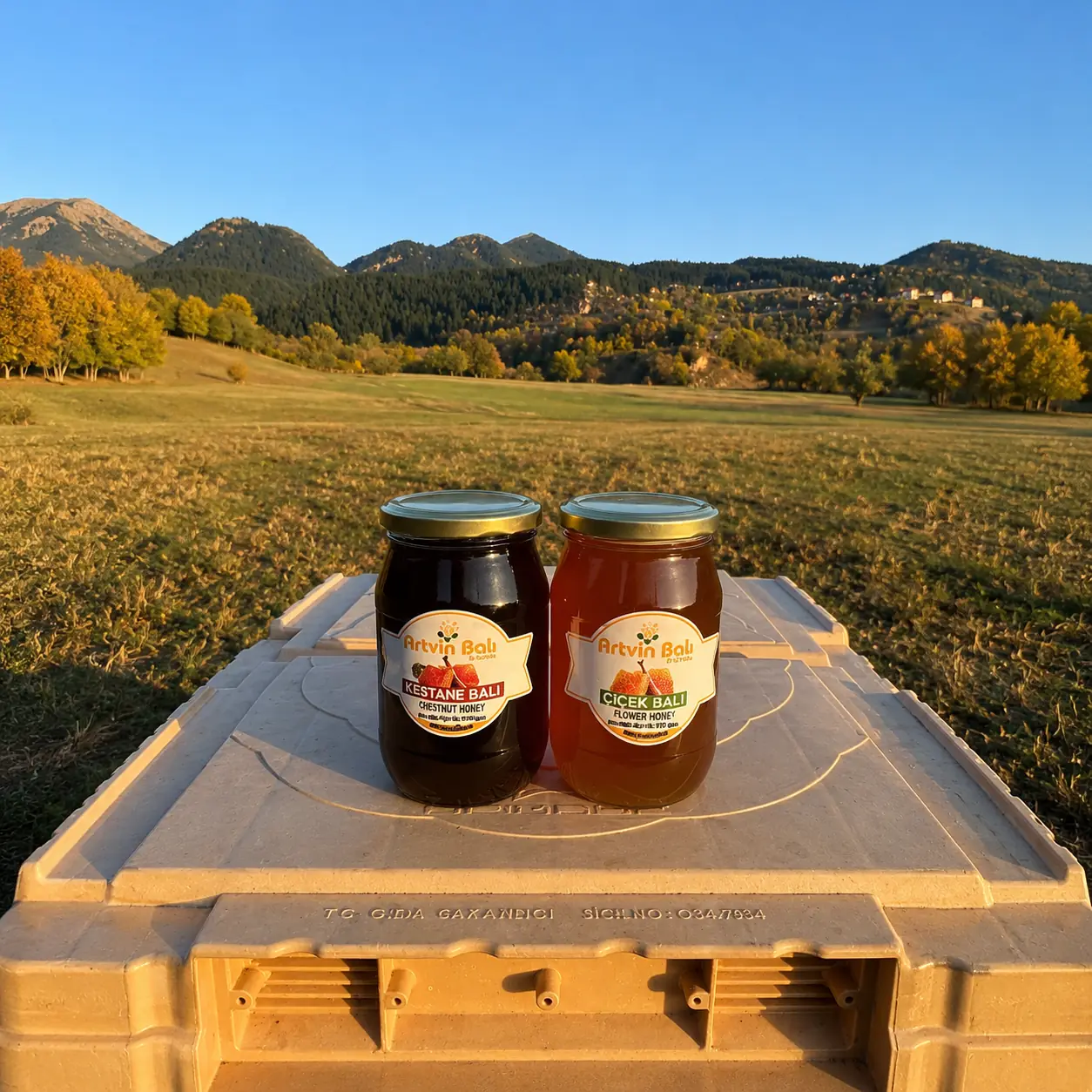
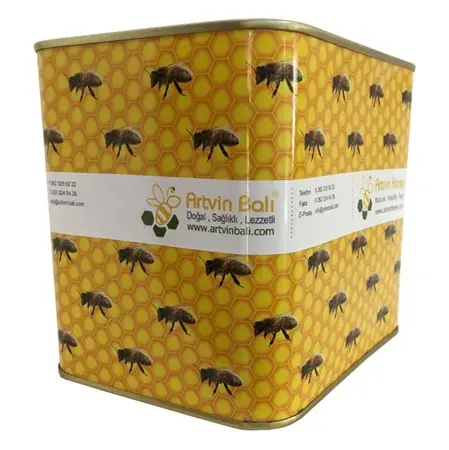
Kaçkar Honey 3000 g
Highland Honey 1000 g
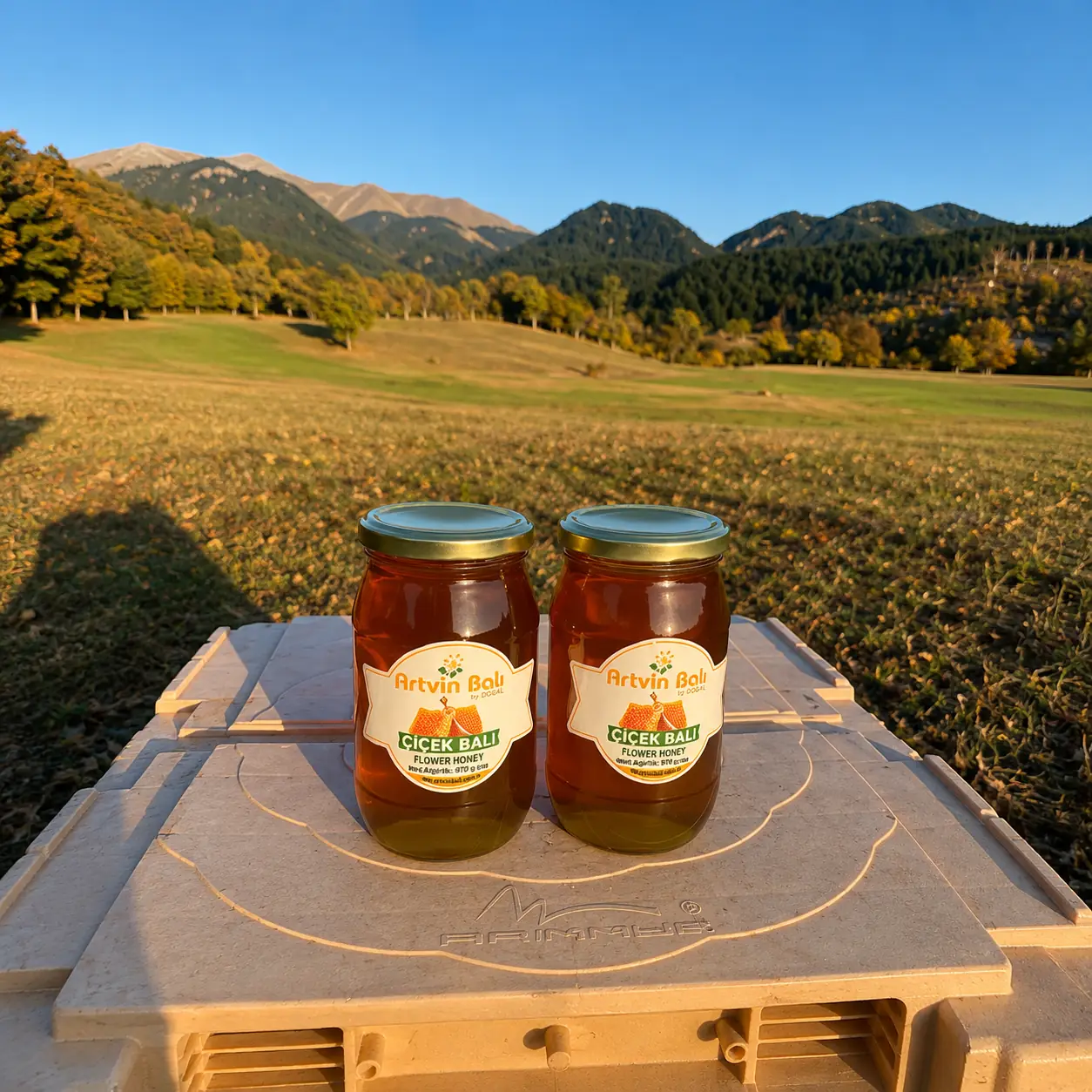
Gift Highland Honey 970 g
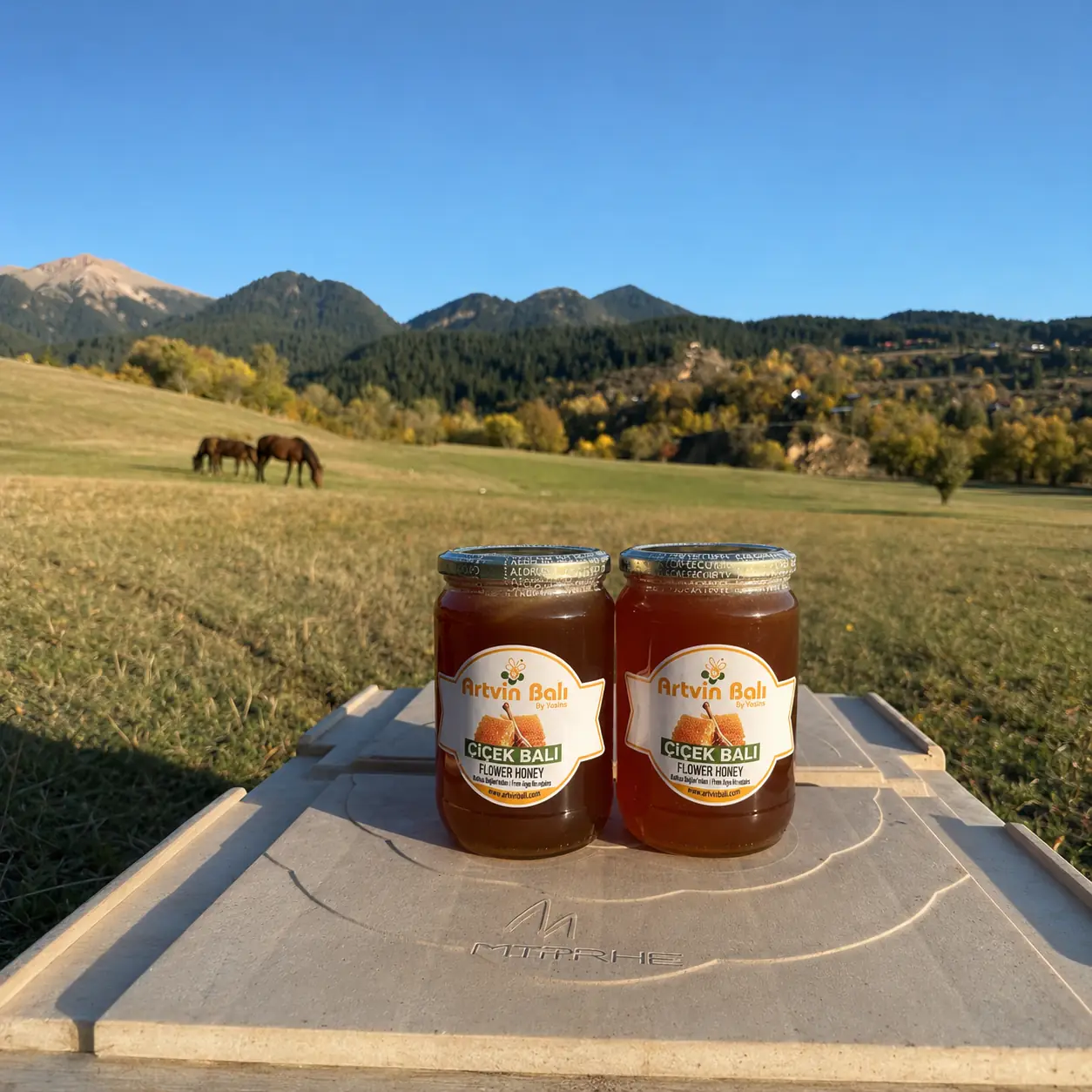
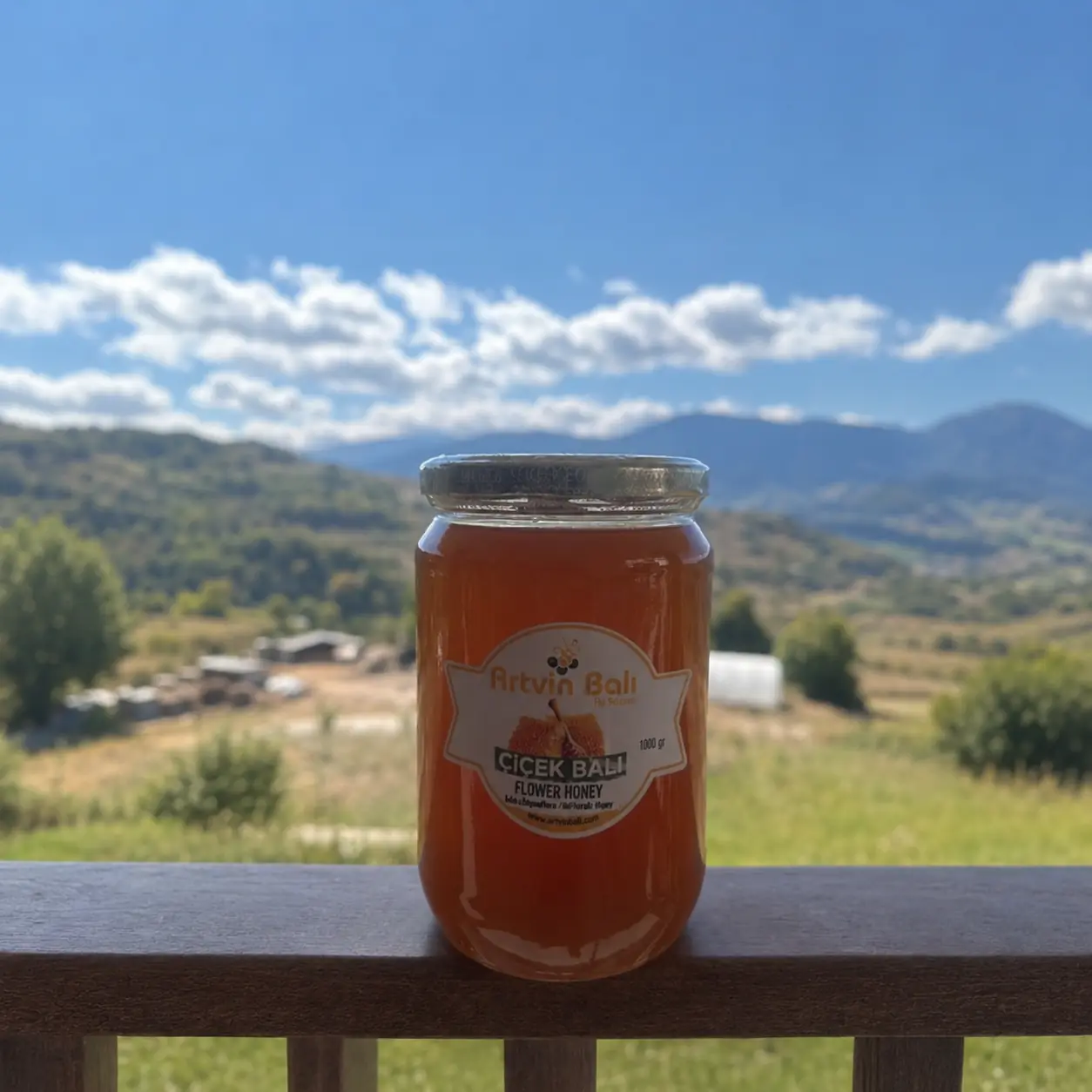
Flower Honey 1000 g
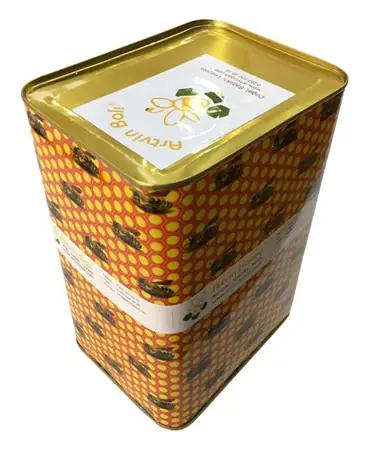
Kaçkar Honey 5000 g
About Artvin Flower Honey
Artvin flower honey is a multi-flower (polyfloral) honey made from the nectar of dozens of flowers in the region’s high-altitude villages and highlands. It is gathered on the foothills of the Kaçkar Mountains above 1,200 meters and is therefore also called highland honey. It is light amber, mild and layered in aroma; compared with chestnut honey, it is sweeter and less sharp. Its high glucose content means it crystallizes over time—this is not spoilage but the natural behavior of unprocessed honey. Since the highland flora is not identical each year, its color and aroma vary slightly from harvest to harvest; that is what distinguishes it from uniform industrial honey.
If you are looking for a deeper, darker and mildly bitter aroma, you can also explore our chestnut honey varieties.
- Natural, with no additives or syrup
- Produced above 1,200 meters
- Gathered from highland meadows on the foothills of the Kaçkar Mountains
- Produced by Caucasian honey bees
- Its source is dozens of highland flowers, not a single plant
- Light amber, mild and layered in aroma
- Crystallizes over time because of its high glucose content
Which Flowers Do Bees Forage in the Artvin Highlands?
The flower a bee visits that week determines the color and aroma of flower honey. In the Kaçkar highlands the season progresses in three waves; as we move hives upward with the elevation, the honey changes too.
-
June
Lower highland, 1,300–1,600 m
Clover, dandelion, dead-nettle, oxeye daisy
The lightest and sweetest harvest; its high glucose content also makes it crystallize fastest.
-
July
Mid-highland, 1,600–1,900 m
Astragalus, mountain thyme, mountain tea, wild mint
Its aroma becomes more pronounced, leaving a herbal, cool note on the palate. This period produces the season’s most balanced honey.
-
August
Upper highland, 1,900–2,000 m
Highland flowers, mullein, blackberry
Its color deepens and flavor becomes slightly more intense. Because summer is short, this wave yields the least honey.
Rhododendron, called “komar” in Artvin, is also part of this flora; when its nectar is dominant it produces mad honey. We do not place our hives on slopes where rhododendron is dense, so traces in our highland honey remain minimal. Mad honey is a separate product and we do not produce it.
Flower Honey or Pine Honey? Comparing Honey Types
The points that distinguish four frequently compared honeys. None is “better” than another; their sources and uses differ.
| Flower honey | Chestnut honey | Log-hive honey | Pine honey | |
|---|---|---|---|---|
| Source | Nectar of dozens of highland flowers | Chestnut tree blossom | Mostly highland flowers in a log hive | Insect secretion on pine trees |
| Color | Light amber | Dark brown | Dark amber, with wax | Dark, reddish |
| Taste | Sweet, mild, layered | Astringent, with a long bitter finish | Intense, with wax | Less sweet, resinous |
| Crystallization | Crystallizes within a few months | Crystallizes late | Slowly, in the comb | Very late or not at all |
| Available from us | Yes | Yes | Yes | We do not produce it |
Where Can You Buy Flower Honey?
Choose the size you like with “Add to cart”, or message us on WhatsApp to learn stock and shipping details the same day. Every size from the 485 g taster to 5 kg comes from our hives and the beekeepers we work with in Artvin’s villages and highlands; there is no wholesaler in between. Payment is by bank transfer to a Turkish bank account (EFT/havale). Orders confirmed before 16:00 (GMT+3) are dispatched the same day throughout Türkiye.
- Directly from the beekeeper, no wholesaler
- Orders before 16:00 ship the same day
- Delivery across Türkiye
- We pay return shipping for defective items
Frequently Asked Questions
What Is Flower Honey Good For?
As a multi-source honey it is varied in pollen traces and antioxidant compounds; traditionally it is preferred for breakfast energy and to soothe the throat. It is milder and sweeter than chestnut honey. Honey is a food: it does not replace any treatment or medicine.
How Can You Recognize Genuine Flower Honey?
Real flower honey crystallizes over time; honey that remains glass-clear for months is suspicious. It flows from a spoon in a continuous thick ribbon, smells floral rather than sharp, and may leave a mild warmth in the throat. These are clues, not proof: only laboratory analysis is definitive. Our honey receives no treatment other than harvest.
What Is Extracted Flower Honey?
It is flowing honey separated from the comb, with no wax; all our jarred flower honey is extracted. Extraction does not require heating, and we apply no heat treatment: the extracted honey goes directly into the jar. For comb honey, see our separate comb-honey and log-hive-honey categories.
What Is the Price per Kilo of Flower Honey?
The price per kilo varies by size: larger jars cost less per kilo while taster sizes cost more. The cards above show the current price of every size from 485 g to 5 kg. The year’s yield is the second factor. With no intermediary, it is sold at producer price; contact us on WhatsApp for stock and shipping.
Where Is Flower Honey Produced? Is It the Same as Highland Honey?
Highland honey is the local name for flower honey gathered in high-elevation meadows; all the honey we sell is harvested in Artvin above 1,300 meters. Because the highland summer is short, dozens of species bloom together and bees forage from many sources at once.
How Is Flower Honey Consumed?
It pairs especially well with butter and fresh bread at breakfast. It can be mixed into yoghurt, milk or smoothies and used instead of sugar in desserts and cakes. Add it to hot drinks below 40 °C (104 °F). It is suitable for children over one year old, but must not be given to infants.
What Do Pollen Traces in Flower Honey Mean?
Because it has many floral sources, it contains natural pollen traces that pass through during extraction; these traces also explain variations in aroma and color. Its high sugar content makes it a practical source of energy at breakfast. Honey is a food, not a medicine.
How Should Flower Honey Be Stored, and Why Does It Crystallize?
Store it in a sealed glass jar between 18 and 24 °C, away from sunlight. Refrigeration is unnecessary and speeds crystallization; honey that looks solid has not spoiled. If it crystallizes, stand it in warm water not exceeding 40 °C and always use a dry spoon.